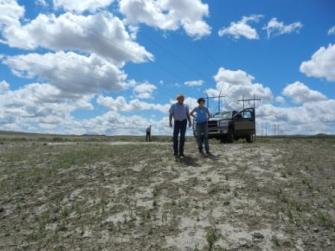
Cleansing Breezes

I don’t know about where you live.

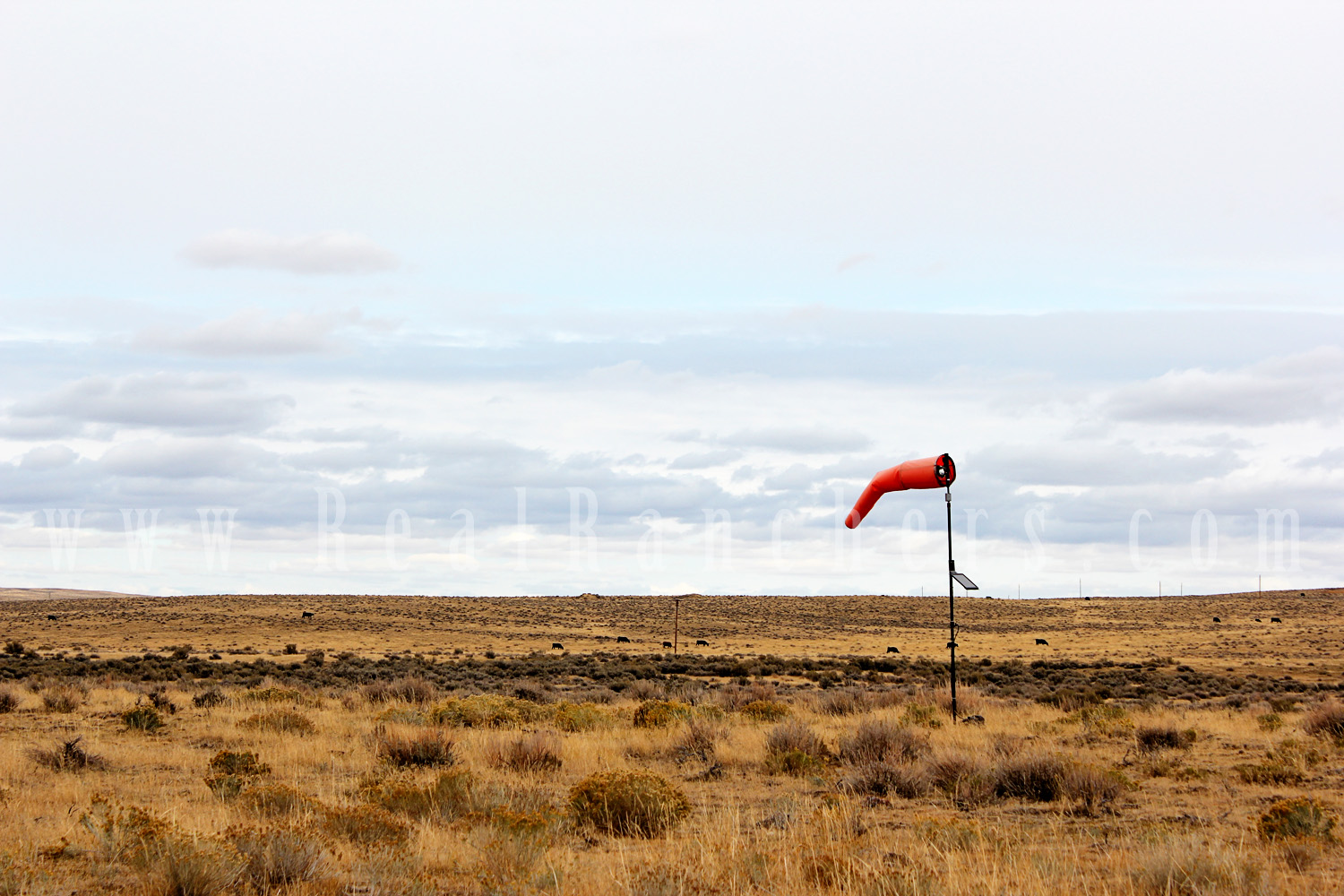
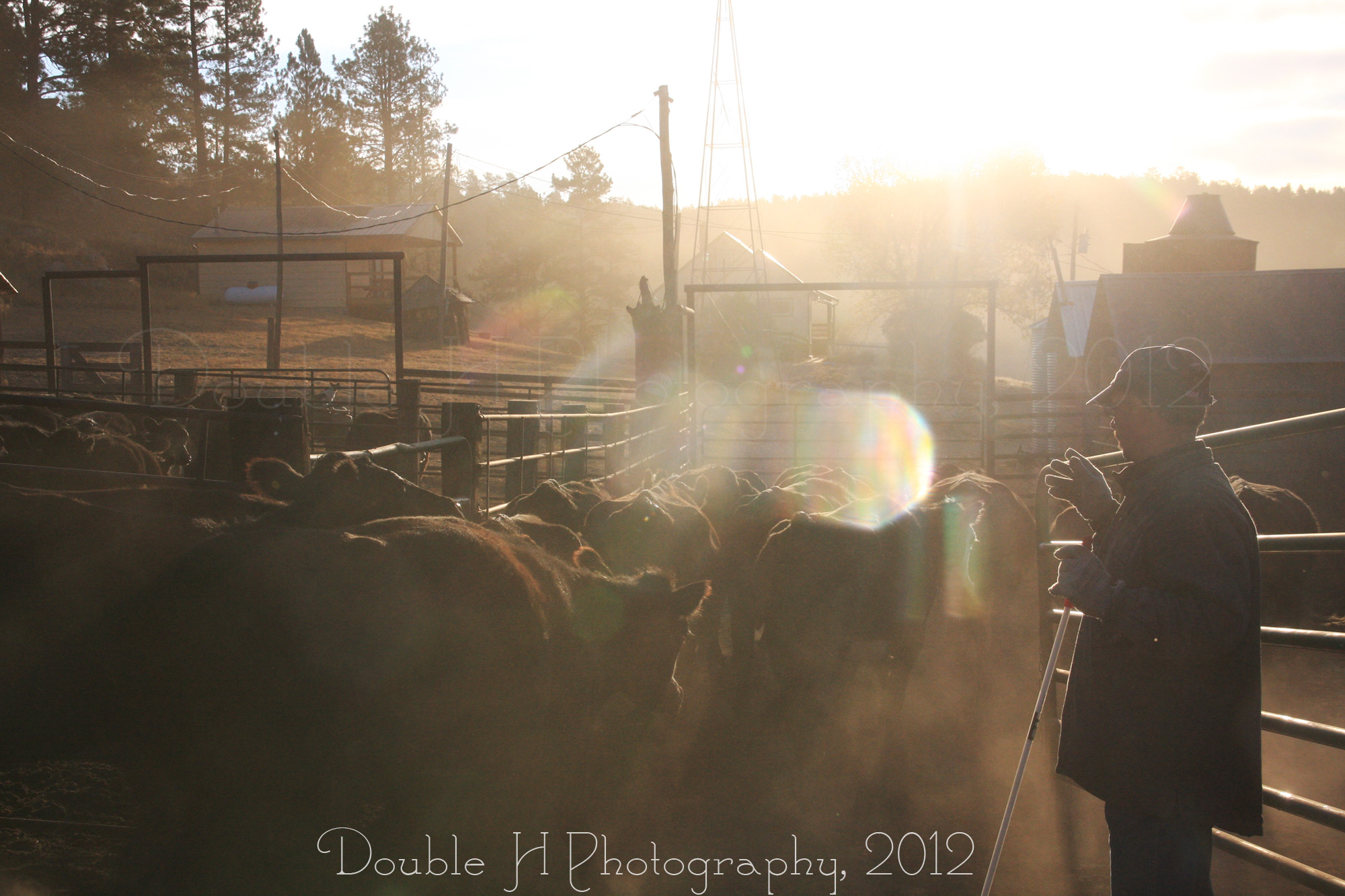
Windy Wyoming

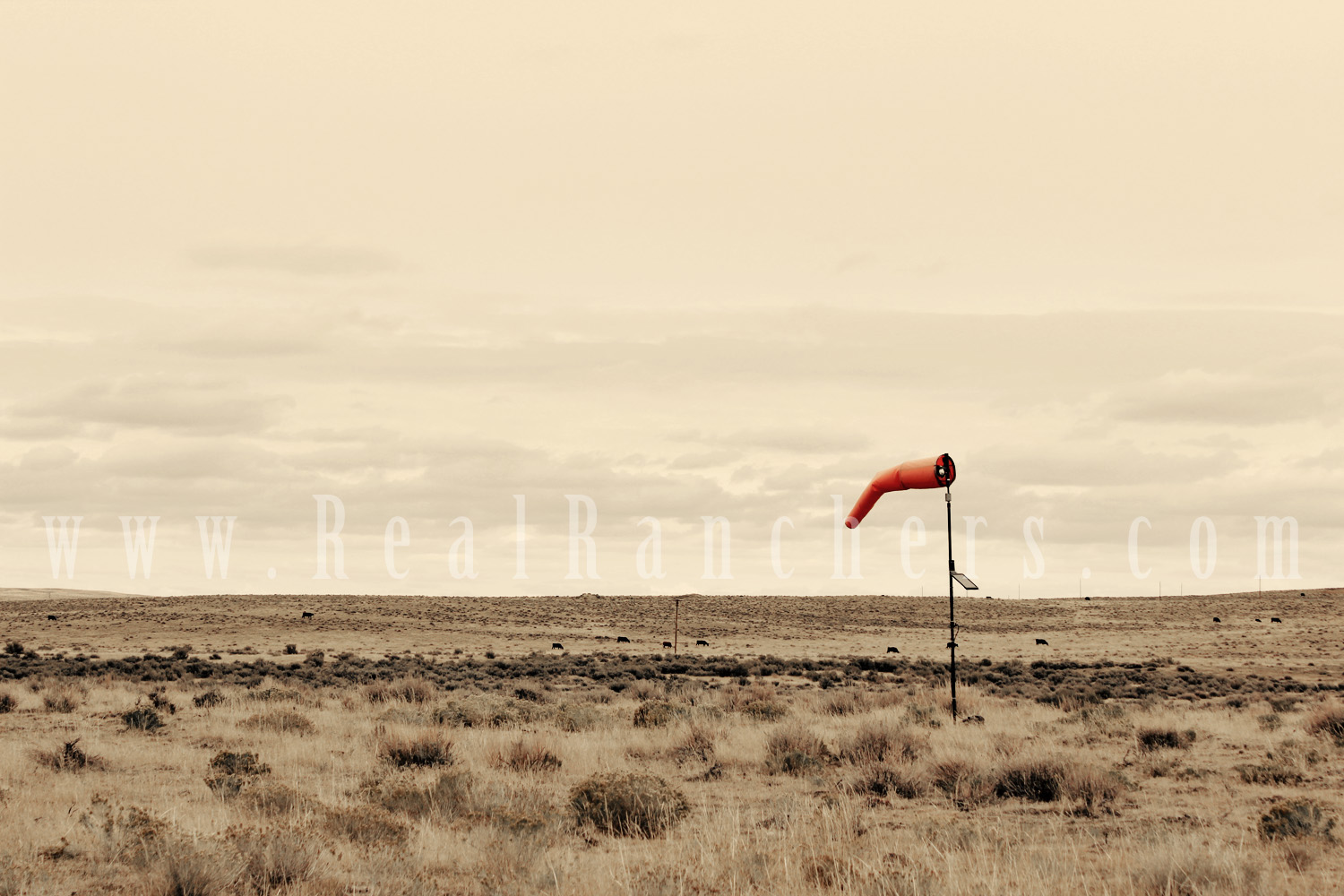
But here in Wyoming we’re well-known for our calm weather.

The wind never blows here.

Wind in Wyoming

Maybe where you live. Chicago. Amarillo. Boston. Not here. Not in Wyoming.

Wyoming wind

These are just cleansing breezes.

Windy Wyoming
Photo taken at the Keith Ranch in Casper, Wyo.

From RealPartner Liz Lauck – Wyoming Stock Growers Association

(This post made possible in part by Pioneer Woman’s free Photoshop actions)

What We’re Thankful For in 2012

An abundant, safe and affordable food supply

Farmers in Wyoming explain the use of plastic ditch in their irrigation systems

Hardworking agriculturists who produce our food, fiber and important byproducts

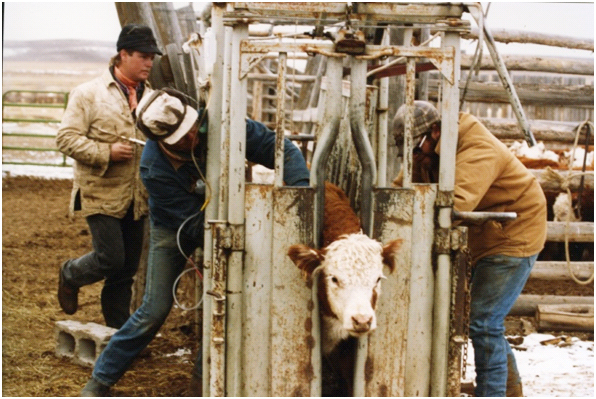
Jamie Swain and Albert Sommers vaccinating and Charles Price putting a pour-on parasite control on a calf.Ranchers in the Green River Valley of Wyoming work together to perform fall cow work, which includes vaccinations.

Abundant and affordable energy

Drilling rig #129 in the Jonah Field near Pinedale Wyoming, operated by Encana Oil and Gas to produce natural gas for American Energy supplies.

The energy workers who work hard to develop it

Control room on drilling rig #129 in the Jonah Field near Pinedale Wyoming, operated by Encana Oil and Gas to produce natural gas for American Energy supplies.

Small town living and the residents and business owners that keep them strong

"Bottle calves" are calves that were orphaned or refused by their mothers, leaving it up to the ranchers to feed (often with a bottle) and care for. Youngsters can bring these bottle calves to the local county fair to show.

You, our readers and followers on the RealRanchers.com Blog, Facebook, Twitter and YouTube!

Happy Thanksgiving!

Why Cows Wear Earrings

These cattle in Wyoming have identification ear tags. Ear tags are used in United States cattle production to identify animals' age, gender, cow-calf pairs, and vaccination status.
Heifers and their calves at the Meike Ranch near Kaycee, Wyo.

Even if you weren’t raised around livestock, you’ve probably noticed something hanging from those cows’ ears. Those aren’t fashion accessories, they are a part of ag-business management and our food-safety system in the US.

Just like with humans, cattle are identified by gender. The guys are either bulls (uncastrated males) or steers (castrated males). The gals are either cows (females who’ve calved more than once) or heifers (females who’ve not calved or have their first calf). When these bovines are still babies/calves we identify them as heifer calves or bull calves.

Are ya with me?

These cattle in Wyoming have identification ear tags. Ear tags are used in United States cattle production to identify animals' age, gender, cow-calf pairs, and vaccination status.
The Meike Ranch near Kaycee, Wyo. uses ear tags to identify their cattle.

The things you see hanging from the ears of cattle are identification tags. Many ranches have also implemented age-and-source-verified programs in which they use Electronic Identification (EID) or Radio Frequency Identification (RFID) tags. We’ll talk about those in another post, and you can learn a little about it from Jim Hellyer in this post.

These cattle in Wyoming have identification ear tags. Ear tags are used in United States cattle production to identify animals' age, gender, cow-calf pairs, and vaccination status.

At the Meike Ranch near Kaycee, Wyo., heifers have one tag in each ear. The identification tag is on the left ear and the right ear has a tag (which looks like a metal clip) which shows the animal has been vaccinated for Brucellosis, a disease that causes cattle to abort their fetuses. Males wear their identification tag in the right ear.

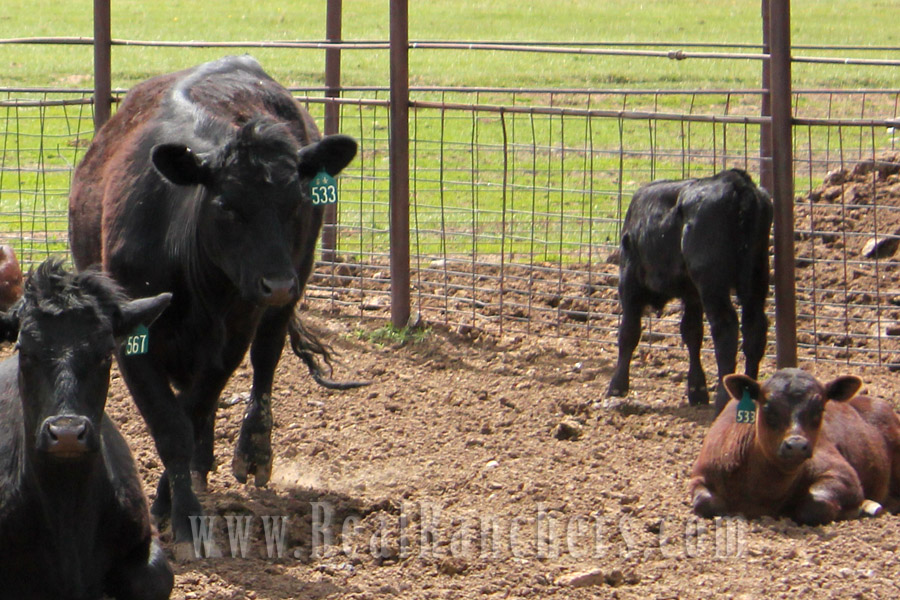
These cattle in Wyoming have identification ear tags. Ear tags are used in United States cattle production to identify animals' age, gender, cow-calf pairs, and vaccination status.
Cow #533 stands near her calf, which is also identified by the #533. The cow’s ear tag is in the left ear to identify her as a female; and she also has a silver Bangs tag in her right ear. Her calf is a bull (male) calf so his ear tag is in the right ear.

The ear tags come in a variety of colors and are numbered. The Meike’s use the same number to identify the cow and her calf. They also often change the color of the ear tag each year. So, just by looking at the ear tag, you can tell the gender of the animal, the year they were born, and which cows and calves belong together. Easy identification of each animal helps the rancher keep their business records accurate and makes for a safer food supply.

To learn more, you should also head over to the Double H Photography blog where RealRancher Heather Hamilton explains how her family uses ear tags.

From RealPartner Liz Lauck – Wyoming Stock Growers Association

Judging Meat

Remember meeting the 4-H members from Niobrara County, Wyoming on our YouTube channel?

Well, several of these same kids are also very judgmental…as in 4-H Meat judging! The Niobrara County senior 4-H meat judging team composed of Chelsea Baars, Lexie Dockery, Dax Dockery and Shane Smith tallied 2,108 points to capture 4th place honors at the National 4-H Meat Judging Contest in Manhattan, Kan. in October.

Niobrara County Wyoming 2012 Senior Meat Judging Team placed 4th at the national 4-H meat judging competition in Manhattan, Kansas in October 2012.
Niobrara County Wyoming 2012 Senior Meat Judging Team placed 4th at the National 4-H Meat Judging Contest in October. L-R: Chelsea Baars, Lexie Dockery, Dax Dockery, Coach Tammie Jensen and Shane Smith.

In addition to placing 4th overall, this group tied for 1st in retail cut identification, 3rd in pork, 6th in reasons and total placing of classes, 7th in placing retail cut classes and 10th in beef. Texas won the contest, followed by Oklahoma, Colorado, Wyoming and Virginia. There were 17 teams from across the nation competing and 62 individual contestants.

Individually, Chelsea Baars was 8th overall in the contest with 707 points out of the 750 possible. Chelsea also tied for 1st in retail cut identification with a perfect score of 300 points. She was also 7th overall in the pork division.

Lexie Dockery (see video below where Lexie describes another one of her unique 4-H projects) tied with Baars also having 707 points, but placed 9th overall after the tie breaker was applied. Lexie was also recognized for placing 6th in retail cut identification and 11th in pork judging.

Dax Dockery (also in the above video) gathered 694 points to place 18th overall in this competition. Dax was honored for placing 5th overall in the pork division and 10th in retail cut identification.

Shane Smith rounded out the Wyoming team with 676 total points to place 20th overall in this competitive event.

This group earned the right to represent Wyoming at the National 4-H Meat Judging Contest by winning the State 4-H Meat Judging Contest in April 2012. Their trip was sponsored by the Wyoming Beef Council, Farm Credit Services of America, Wyoming Meat Processors Association, Ron and Kathy Cunningham and the Niobrara County 4-H Judging Team Fund (numerous county donors).

This group practiced at the University of Wyoming meat lab facility numerous times in preparation for this contest. The team and their coach attribute much of their success to the outstanding practices offered by the University of Wyoming meat lab manager Kelcey Christianson. The group also practiced at the University of Nebraska-Lincoln.

This contest is held in conjunction with American Royal Livestock Show and Rodeo in Kansas City, Mo. The team was coached by Extension Educator Tammie Jensen and chaperoned by Jensen and 4-H leader Matt Dockery.

Meat judging teaches 4-H members how to identify and select high-quality meat. They learn how to select and handle nutritious meat products and may someday apply their knowledge to ensuring we all have a safe and abundant food supply. These youth also gain valuable life skills such as decision making, critical thinking, public speaking and team work; which will benefit them throughout their lives.

From Tammie Jensen, University of Wyoming Extension Educator Lusk, Wyoming

Only In Wyoming

A friend of ours just had a baby and lives out of town. Meals had been organized for their family and one of the meal preparers had called to say they couldn’t deliver it. Would I mind taking it by on my way home since we live close by?

Rural roads are often upaved in Wyoming, so long dirt roads are the norm in country settings.

As she was providing the meal and giving heating directions, she apologized they couldn’t deliver it personally. Her husband had been called out to trap a wolf and they couldn’t make it. I took the food and said thank you and didn’t think twice about her comment.

Only later did I laugh and think, how many US citizens hear that in everyday conversation?!

From RealRuralResident Jennifer Hayward – Pinedale, Wyo.

Visiting an Oil and Gas Drilling Rig Control Room

As you will recall, I toured an oil and gas drilling rig in the Jonah Field last fall. Encana representative Bob Myhre guided my tour group through the control room of rig #129 in the Jonah Field during the tour, which was hosted by Encana Oil and Gas, USA.

Here is some video I took while I was on the drilling rig:

In parts of the video it is hard to hear what’s being said, so my intent is for you to enjoy the sights from inside and outside the control room. To learn more about my tour of the drilling rig, read my first post.

As I look back through the photos, videos and notes I took during this tour of the 20,000 acre Jonah Field outside of Pinedale, Wyo., I’m amazed all over again by the technology used to produce these vital energy sources. I’m also amazed by the people who are proud to work so hard to keep the US and the world running!

From RealPartner Liz Lauck, Wyoming Stock Growers Association

Going to the Doctor

RealRancher Heather Hamilton of Double H Photography from Lance Creek, Wyoming shares how doctoring cattle relates to doctors visits for us.
Trying to beat the morning rush
RealRancher Heather Hamilton of Double H Photography from Lance Creek, Wyoming shares how doctoring cattle relates to doctors visits for us.
Long waits at the doctor’s office

As humans, there are times it seems you inevitably pick the busiest day of the year to go to the doctor. From doctors running late to crying youngsters in the waiting room, a trip to the doctor can be exhausting and time consuming. Check out this post to see how one bunch of cows can relate as they go through their annual fall checkups.

Read the story at RealRancher Heather Hamilton’s blog Double H Photography

Also, be sure to check out Heather’s Dad, Tom, and Uncle Monty in our latest YouTube video as they talk about how regulations can affect ranching operations.

Sage Grouse on the Sun Ranch

Dennis Sun of the Sun Ranch outside Casper Wyoming works to improve sage grouse habitat on his ranch through the Natural Resources Conservation Service Sage Grouse Initiative

Working with other stakeholders is the norm for the Sun Ranch west of Casper, Wyo. Like any ranching operation, it is multi-faceted and complex at times. A series of cause and effects reflect on the landscape showing change regularly, some good and some bad. It is important for Dennis Sun, owner of the Sun Ranch and publisher/owner of the Wyoming Livestock Roundup, to make daily strides toward a healthier ranching operation.

One of the components to the Sun ranch’s stewardship is ensuring healthy habitat for sage grouse. The sage-grouse is a ground-dwelling bird native to the sagebrush ecosystem of the American West. It has experienced a significant decline in population over several decades.

Approximately 40 percent of all sage-grouse are found in Wyoming and The Sage-Grouse Initiative (SGI), spearheaded by the USDA Natural Resources Conservation Service (NRCS), is proactively addressing habitat loss and working to keep populations healthy enough to avoid an Endangered Species Act listing. Sun implemented the SGI on his ranch and has already been successful in raising bird populations. The Sun Ranch houses a large wintering area for over 600 sage grouse, as well as annual habitat that is extremely important to the overall population of this species. For example, over 300 birds have been counted on one sage-grouse lek (breeding areas).

Scientific studies and Master’s senior thesis projects conducted by Cheryl Mandich, who holds a Master of Science in zoology and physiology, began on the Sun Ranch. In recent years, the sage-grouse population has increased, but the numbers are still low compared to 2005. Like many species, environmental factors, such as habitat and weather, can affect populations. According to Mandich, the estimates of sage-grouse annual survival range from 35-85 percent. A main concern is loss of sagebrush habitat and protection that the birds rely on for survival, including survival from predators like coyotes, fox, ravens and raptors.

Findings from Mandrich’s thesis project and help through the SGI may further benefit the sage-grouse population. Grazing management practices have benefited the population by leaving more sagebrush behind. Retired NRCS State Range Conservationist Everet Bainter had previously developed intensive monitoring programs for the Sun Ranch. Monitoring provided a detailed inventory of habitat and grouse, inventory of ecological sites, potential growth of plant diversity and inventory of sagebrush height and density. Through SGI and Mandich’s work, Sun has implemented additional practices to reach higher sage-grouse numbers.
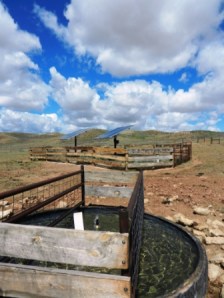
Dennis Sun of the Sun Ranch outside Casper Wyoming works to improve sage grouse habitat on his ranch through the Natural Resources Conservation Service Sage Grouse Initiative

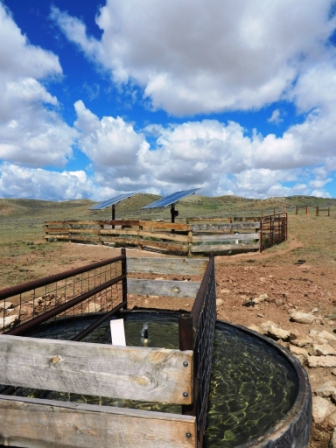
Traveling out to the Sun Ranch, miles and miles of sagebrush stretch out to the horizon leaving the city of Casper far behind. Joint efforts from agencies such as NRCS, Bureau of Land Management (BLM), Natrona County Weed and Pest and Wyoming Game and Fish have helped Sun reach rangeland goals. Sun explained that he only made a few simple changes to become a suitable candidate for SGI, including adding fence reflectors and more escape ramps on stock tanks to help diminish the risk of bird death. In the past 10 years, the ranch has implemented numerous range improvements including five solar-powered water wells, spring development, stream bank restoration, invasive weed management and over 20 miles of new fenceline to divide large pastures for grazing management.

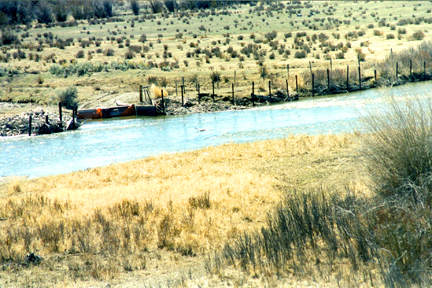
Sun’s future plans to improve habitat and production of his ranch consist of a series of check dams on Casper Creek that raise the water table in the riparian area and eventually lead Casper Creek to flow year around. Earlier construction of these check dams in the upper reaches of Casper Creek resulted in increased forage along the creek from 2,200 lbs of forage/acre to 5,500 lbs of forage/acre. This created more habitat and wildlife use in the area along with improved grazing.

The success of SGI is dependent on individual producers like Sun. Increased sage-grouse numbers and improved sagebrush habitat happens in the field on ranches. It is through the efforts of producers like Dennis Sun that will help prevent sage grouse from being listed under the Endangered Species Act.

From RealPartner Haley Lockwood, NRCS Wyoming Public Affairs Intern
Writing, Photography and Ranching

Highlighting Three Wyoming Bloggers

Over the past two years of blogging on RealRanchers.com, we’ve also discovered some fantastic Wyoming rural blogs we like to follow as well. We want to introduce you to some of these great Wyoming blogs and the people behind them.

O.L. Shepp, Writing of Life's Humor, Northern Wyoming
Ondi Shepperson

O.L. Shepp (Ondi Shepperson) is the ranch wife and mom behind Writing of Life’s Humor. A lover of words and writing, O.L. Shepp entertains with her colorful perspectives. “I write about life, people and sometime a horse or two,” she says. Her posts come from her real life on the ranch, and the stories she dreams up. She has shared a few of her blog posts on RealRanchers.com and we encourage you to get lost in her prose at olshepp.wordpress.com.

RealRanchers.com Blog Posts by O.L. Shepp: The Good Mama Blues & Cowboy Entertainment, Bessey’s Equality

Heather Hamilton, Double H Photography, Eastern Wyoming
Heather Hamilton

Another regular contributor to our blog posts is Heather Hamilton of Double H Photography. At www.doublehphoto.blogspot.com her real-life experiences as a rancher in Eastern Wyoming are brought to life with her beautiful photography. “I love my life, and enjoy sharing the real story of what happens on the production side of Agriculture through my photos and posts. I am very blessed to do what I love, and enjoy the opportunity to share it with you!”

RealRanchers.com Blog Posts by Double H Photography: Cry Babies, Flooding, All Aboard the Hay Train, Fighting Fire, Hard to Be Humane, Winter Water, Pulling A Calf, Cattle Pot, Winding Straps

Pat & Sharon O'Toole, Ladder Ranch, Little Snake River, Wyoming
Pat & Sharon O’Toole

Based in Southern Wyoming, the Ladder Ranch shares the ag and rural experiences of the O’Toole Family at ladderranch.wordpress.com. The stories shared about raising sheep, cattle and family will draw you in and you’ll learn about the heart and soul of this six-generation family ranching operation. Pat and Sharon are involved in many activities and topics and share their broad perspectives “from the mundane to the fabulous”on the blog.
 
From RealPartner Liz Lauck, Wyoming Stock Growers Association

The Art of Irrigating

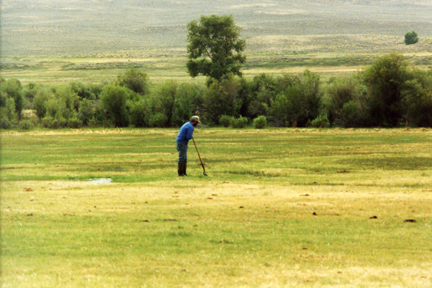
Mosquitoes buzzing, sweat dripping from the brow under the rim of a cowboy hat, shovel over the shoulder and black rubber irrigating boots almost to the knees is the description of a rancher while irrigating. The rancher can be seen swatting at the mosquitoes so there is a path through the mosquitoes to breathe and see. The old ranchers had a saying which was “you have to have mosquitoes to grow hay.” This referenced the fact both hay and mosquitoes require water and heat.

Rancher Jonita Sommers discusses irrigating native grass pastures in the Green River Valley of Wyoming, which can be used for pastureland or for hay production.
Rancher Albert Sommers heads out to flood irrigate his native grass pastures to grow hay. He will use the hay to feed his cattle through the winter when the rangeland is covered with snow.

Some time in May, the head gates are opened on the creeks and rivers in the Green River Valley so the water can run down the irrigation ditches to flood irrigate the meadows on the ranches.  The next hay crop needs to be grown so the cattle can be fed in the winter.

Rancher Jonita Sommers discusses irrigating native grass pastures in the Green River Valley of Wyoming, which can be used for pastureland or for hay production.
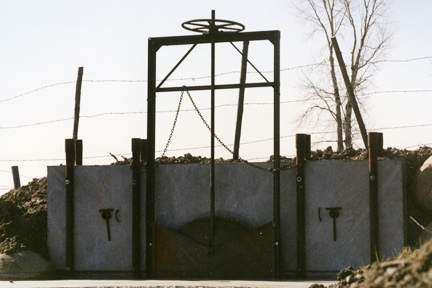
Head gates control when and how much water is used for irrigation.

Water rights were filed on by the early homesteaders. The territorial officials, if the water was filed before statehood in 1890, and the Wyoming State Engineer, if after statehood in 1890, were the officials issuing the amount of water to irrigate the number of acres a homesteader had indicated. One cubic feet per second (CFS) of water was allotted per 70 acres with the initial water right, then the state eventually allowed another CFS per 70 acres if there was enough water in the river or creek.  Water is allotted from the stream according to the oldest water right having the first right to use the water.

Rancher Jonita Sommers discusses irrigating native grass pastures in the Green River Valley of Wyoming, which can be used for pastureland or for hay production.
The head gates are manually opened and closed. Legal water rights determine how much water the user is allocated.

Rancher Jonita Sommers discusses irrigating native grass pastures in the Green River Valley of Wyoming, which can be used for pastureland or for hay production.

The ditches had to be surveyed and then built. The homesteaders used teams and fresnos to dig the ditches. Later, draglines were used to work on the ditches. Today, trackhoes are used to clean and repair the ditches.

Rancher Jonita Sommers discusses irrigating native grass pastures in the Green River Valley of Wyoming, which can be used for pastureland or for hay production.
Albert Sommers “changes” his irrigation water by moving man-made dams to provide moisture throughout his hay fields.

Once the water is let down the main irrigation ditches from the head gates on the rivers and creeks, it has to be let out into the scatter ditches. From the scatter ditches, the water is spread over the meadow.  Little dams and dikes are built to send the water everywhere. This is an art, knowing how to get the water to flow over the land.  A good irrigator knows every inch of his land and how the water moves on it. This type of irrigation is called flood irrigation.

Rancher Jonita Sommers discusses irrigating native grass pastures in the Green River Valley of Wyoming, which can be used for pastureland or for hay production.
Albert uses “flood irrigation”. It is called flood irrigation because the water is dispersed without using pivots, side rolls or other mechanized means. Flood irrigators may also use metal tubes and plastic pipe.

The native-grass hay can be flood irrigated all the time. Planted crops, such as alfalfa, require the water put on and then turned off for a few days and then turned back on. Not a lot of alfalfa is grown in the Green River Valley because of the short growing season. It is very hard to get two crops, or “cuttings”, of hay in the Green River Valley because the growing season is just not long enough.

Rancher Jonita Sommers discusses irrigating native grass pastures in the Green River Valley of Wyoming, which can be used for pastureland or for hay production.
The Sommers irrigate native-grass hay in their fields. The native-grass hay grows better than planted crops, like alfalfa, in the high elevation with such a short growing season.

When the grass top is waist high and the under growth is to the knee, the irrigator has had a very successful season. There has been plenty of water and hot weather. A rain storm now and then really helps the grass to grow even though the grass has irrigation water on it. This is due to the nitrogen that is delivered in a rainstorm to the ground below, and nitrogen aids the growth of grass.

Rancher Jonita Sommers discusses irrigating native grass pastures in the Green River Valley of Wyoming, which can be used for pastureland or for hay production.
When Albert finishes irrigating his meadows, he will cut and bale the grass for use as hay feed for his cattle through the winter months.

From RealRancher Jonita Sommers, Sommers Ranch – Pinedale, Wyo.

The Farm Paparazzi

Armed with an automatic setting to expose a happy life full of God's grace

Facts About Beef

Debunking myths about beef

Beef Runner

Agriculture Advocacy, Beef and Running

Wyoming Lifestyle Magzine

a virtual visit to wyoming's rural communities

Wyoming Livestock Roundup

a virtual visit to wyoming's rural communities

Bridle-Bit LLC Blog

Horse & Rider Training. Serving The Northern Front Range Since 1981

Faces of Agriculture

a virtual visit to wyoming's rural communities

The 307 Chronicles

a virtual visit to wyoming's rural communities

Wyoming Roundup

a virtual visit to wyoming's rural communities

a virtual visit to wyoming's rural communities

Double H Photography

a virtual visit to wyoming's rural communities

Ladder Ranch

Scenes, thoughts and poetry from our working ranch

Comedy Of A Cowgirl

The Comedy of Storytelling

RealRanchers.com

a virtual visit to wyoming's rural communities