Rangeland Intern Allison Harvey Hard at Work

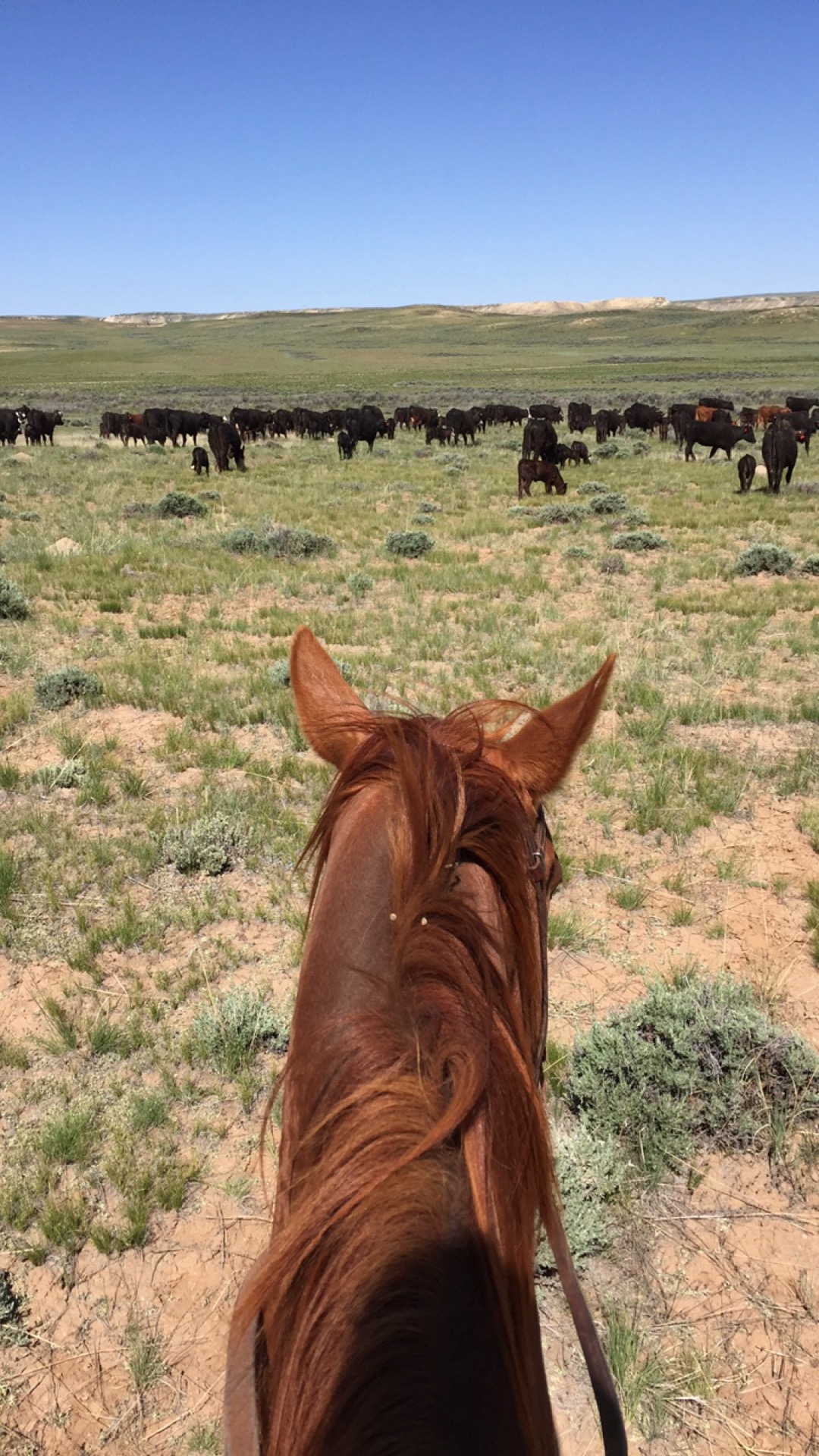
Hey y’all! Miss Allison Harvey has been hard at work the past few weeks, but she seems to be learning so much. She says that “…the country believes in the romance of the West,” and she is quickly learning that this may not be entirely true. Allison shared her experience from the past week with us, check it out below! 

Week in Review:

We started out the week with vet work at a local ranch.  We had to supply a health certificate for the herd so the rancher was able to sell some head.  I helped write down the ear tag numbers and the cow descriptions.

On Tuesday we helped out at a ranch with a larger docking process.  Rather than having just 5 people working we had 14 working, it was interesting to see the process at a bigger scale.

Throughout the week, we started sorting off the dry cows to sell.  I brought up the group of dry cows that we had sorted off earlier to the front lot.  Later in the week we separated off four dry cows from the cow calf pairs and added them to the herd of dry cows.  Then we pregnant checked the dry cows, and separated off the ones that were still pregnant.

We rounded out the week with setting up the rest of the temporary fence for the steer grazing rotation.  We’re dividing a large pasture into quadrants for rotational grazing.  We put in posts.  We wound up the wire from an existing temporary pen and rolled it out to set up this one.

I also helped collect plant samples for a research experiment on cheat grass through the WY Extension.  We categorized plant species along a transect and within a quadrant. The experiment was about establishing thresholds on cheat grass management- a lower threshold for where cheat grass has no effect on grazing and a higher threshold for where reclamation needs to occur.

What I learned:

I learned how to ‘pregnant check’ a cow when we checked the heifers.

I learned about how much of an issue cheat grass is and how it’s currently managed.

Reflection:

I said earlier how farming and ranching are different in how they approach land management.  However, I’m realizing that they are very similar as well.  They both encounter fencing issues, broken waterers, sick livestock, and hard work.  I think a majority of the country believes in the romance of the West, where cowboys wrangle little doogies and ride bucking broncos.  While I feel an echo of that, I also recognize the reality of the tedious blood and sweat that goes into ranching.

Week Three for Ian Zerbe

Ian has been busy to work in Lander, WY! He has been learning new skills while making friendships along the way. Here is his work summary from the week of June 5- 11. Enjoy! 

Week three already! This summer is flying by. The Allen’s run their upper ranch as a base-camp for the majority of the pack trips and guest visits throughout the summer.  Because the upper ranch is on a forest service allotment, they are required to certify all of the hay that is taken up there as weed free. For this reason we have continued to identify noxious weeds and selectively spray for them around the lower ranch in preparation for haying in a week or two.

I also got the chance to try out my new found horse packing skills when we took up some of our first resupply rations for the NOLS groups. The mountains here are amazing and packing up the steep trails and across the rivers is like nothing I’ve done before.

Branding was also this week so I got the chance to jump right in to my element and had a great time teaching some of the other wranglers how to wrestle calves. Jim also gave me several tips on how to become a better roper at the branding.

As most of the wranglers have now shown up we have begun working on our horsemanship skills both in riding and doing ground work with the many different horses. The Allen’s are excellent teachers and the horsemanship clinics they have been putting on have given me a whole new perspective.

Samantha’s First Week at Ladder Ranch

This week was the first full week we had all of our interns settled on their ranches for the summer. It is so interesting to hear about what each of them are doing and learning each week. Not to mention the pictures are beautiful! This week’s update is from Samantha McIntosh at Ladder Ranch. She seems to be keeping busy, learning a lot and is quite popular with the young generation on the ranch! 

The following is her update for the week and pictures she shared with us from the ranch: 

My first week at ladder ranch has been nothing short of fantastic! After arriving last weekend, I was immediately introduced to everyone and was given the grand tour of the main ranch here in Savery, WY. They have two other properties here in wyoming and have access to over 600,000 acres with their partnership with public land in both Colorado and Wyoming.  I am working under Ea’mon O’toole who is the son of the owners Pat and Sharon O’toole. There are a total of 23 people living here and I have to say, I really struggled when it came to learning all of the names. The people that live here are members of the O’toole family, two ranch hands, another intern from Utah State and a couple of others.

This week has been jam packed with a lot of work but I have learned so much! On my first official day of work, we went to their property on the other side of Baggs, WY, that they call Powder Ranch. At Powder we gathered about 300 of their 6,000 total sheep and loaded them onto a semi and a couple of trucks and trailers. This was my first hands on experience with sheep and needless to say, they are much more different than cattle than I thought.

Throughout the week, I spent a total of two days driving a tractor to get ready for the long summer. I drug out 5 meadows and plowed about half a field so we can plant more alfalfa. I also spent some time helping set up their pivot system on the alfalfa fields. I have learned a lot about fixing things this week since the guy in charge of farming is always fixing something that someone broke.

The rest of the week was spent riding horses and gathering cows/sheep to move them around to different pastures.

Another thing, there are 8 children under the age of 12 here and I am so happy to say that i have bonded extremely well with them this past week! After only one week, they already asked me if i could stay forever! I look forward to forming more friendships, network connections, opportunities to learn and many memories!

Keep checking back with Real Ranchers for weekly updates from interns throughout the summer! 

WSGA Summer Communication Intern Introduction

Hi everyone!
My name is Devan Hayen and I am the Summer 2016 Wyoming Stock Growers Association Communications intern. I am an Agricultural Communications major at the University of Wyoming and will be entering my final year as a Cowboy this fall. I am from Conifer, Colorado, but Wyoming is now my home. I love being outdoors camping, fishing, riding ATVs, and spending time with family and friends. My love for the Agriculture industry has really grown since moving to Wyoming and I am thrilled to be learning more and more every day. I don’t yet know nearly as much as I would like to, so if you have some fun facts, I would love to hear them! This summer I will be sharing the WSGA Rangeland Intern’s weekly updates with you. They will be keeping us updated on what activities they are performing and what they are learning on the ranch that they are working on this summer. I am so pleased to be a part of the WSGA team this summer and can’t wait to meet some of our members!  12512583_10208264047304836_4292282300565737779_n11811404_10207206574028665_963825107110650945_n.jpg

Signing Off: The End of the 2015 Rangeland Intern Program

Over the summer we have had the great opportunity to meet, get to know and see the work Josiah has done over the course of three months. While a majority of the work being completed looked a lot like ranch work there were also great conversations about the management techniques that lead to the specific activity or chore, such as irrigation.

We are pleased to have Josiah and learn from his insight throughout the summer. Next year we will be looking for more interns who are interested in learning a hands-on approach to range and ranch management techniques. Until then, enjoy the last post from Josiah and look to RealRanchers for more insights to rural Wyoming and the stories not told in the main stream media.

“It has been a good summer working at Red Canyon Ranch. This week was calm and easy as I got a lot of irrigating completed and spent a lot of time with the ranch family.
Now that I am at the end of the internship, I have finally gotten to the point where I have figured everything out. I’ve irrigated all the fields and know how the water runs on them, figured out all the fencing tricks, and learned where everything is located. Now that I’m at this point, its kind of a shame that I have to leave this week right as I got everything down. For most of the summer I was learning everything and getting taught how to do it, and now that I got it all down I won’t get to see what it is like to work on a ranch when you know what you are doing.

Enjoying the last day on the ranch.
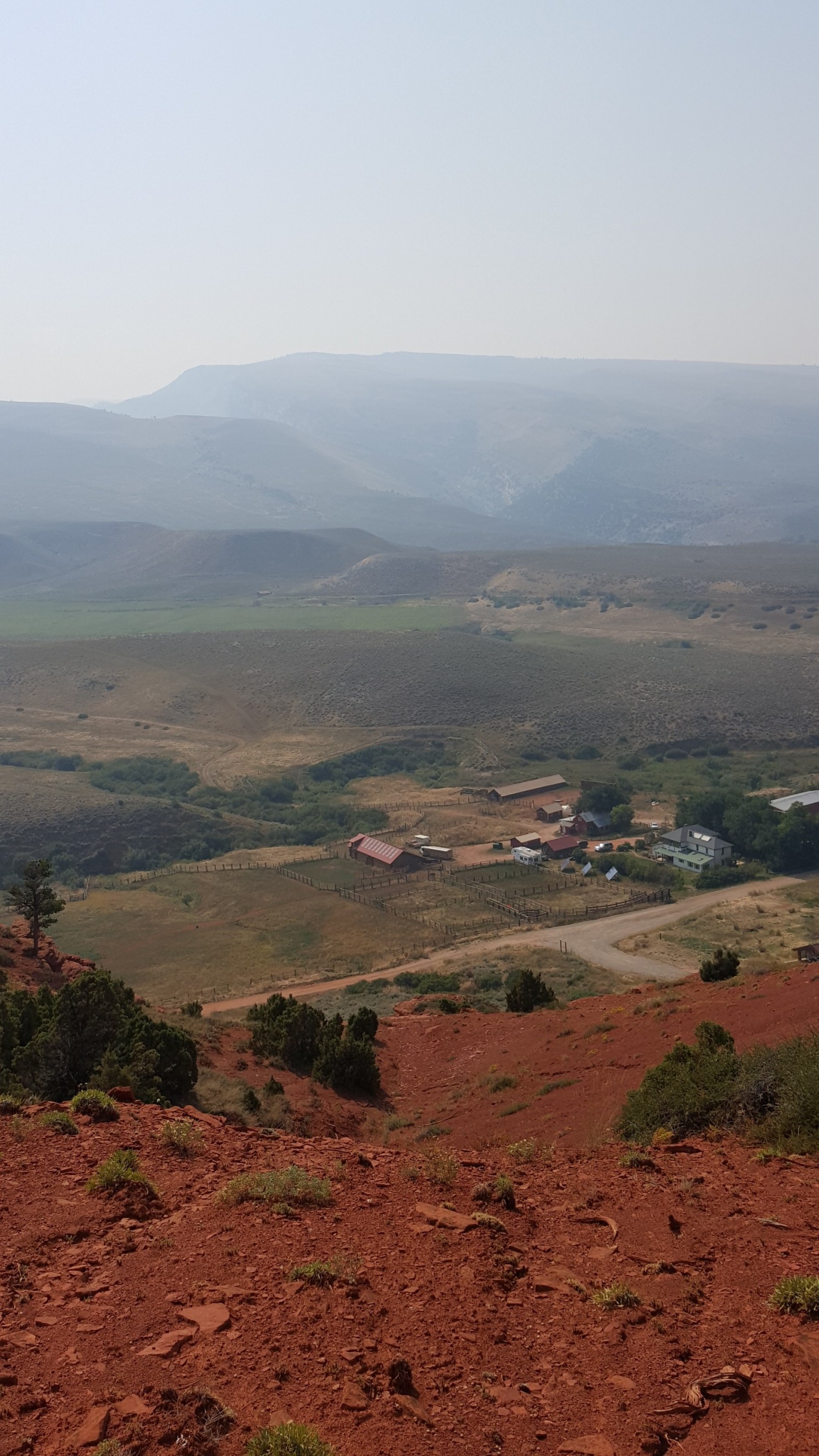
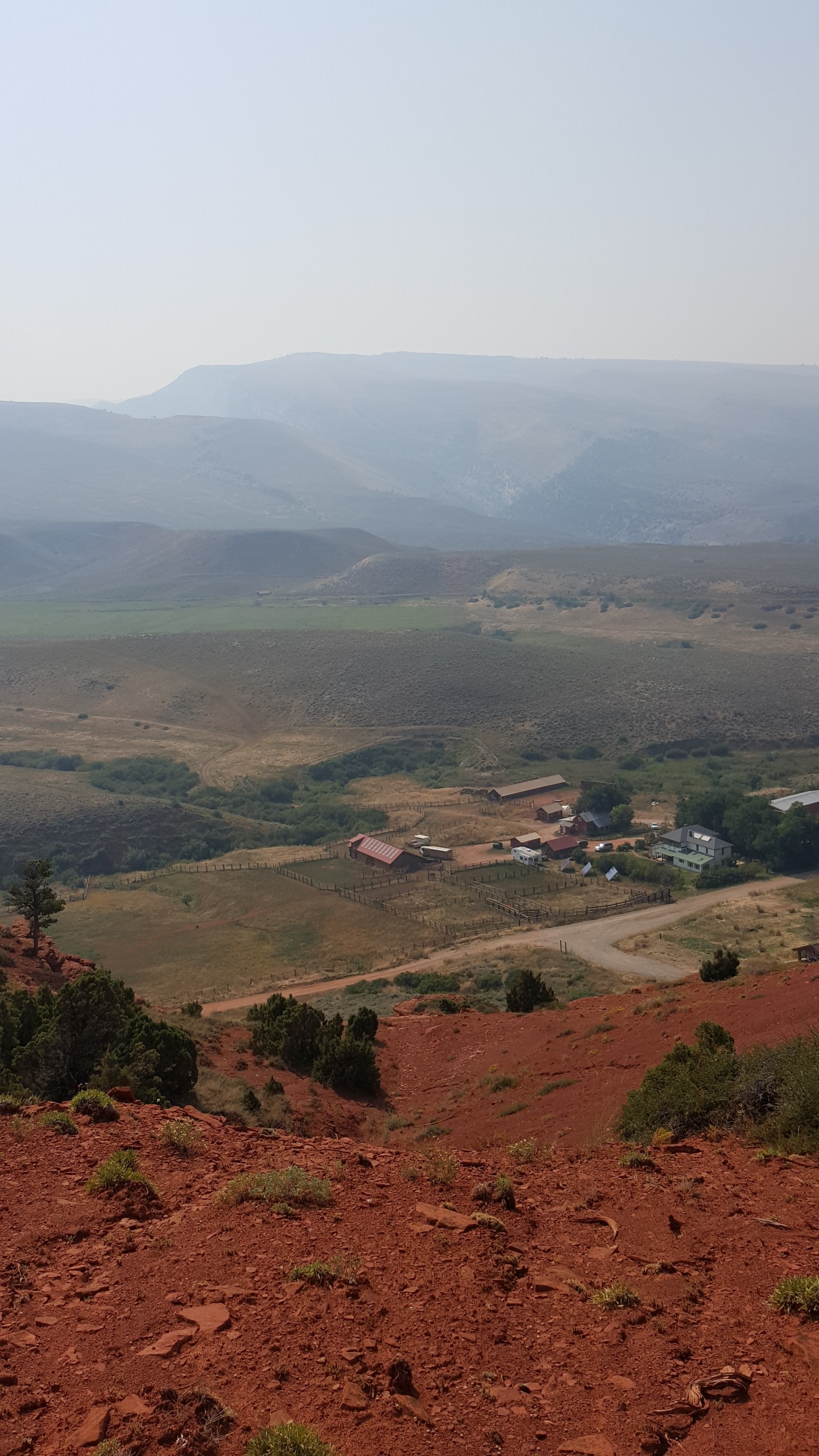
I’ve been taking in a lot of the sights and sounds of the ranch this week, making sure I remember this summer here. It’s been super hazy, due to some big fires up north, and has been making some pretty cool sunsets on the ranch. Its honestly been really calm, which I think is a good way to end the summer.
One of Garrick’s kids had a birthday this week, so Amber rented this big bounce house with a slide that runs in to a pool of water for the party she was going to throw. All day these kids were playing in this bounce house and having a good time. It looked like blast. So after all the kids go home it was pretty late, pushing midnight, and myself, Amber, Garrick, and two of their friends are all hanging out and eventually we get to the point where we decide its our turn to have some fun with the bounce house, and so we all end up playing in the bounce house and sliding into the pool. It was seriously a blast. I had a ton of fun and I think everyone else did too.”

We are glad Josiah was able to enjoy his last week on the ranch before school starts again. Wish you all an enjoyable end to the summer!

A Review on the Sagebrush Sea

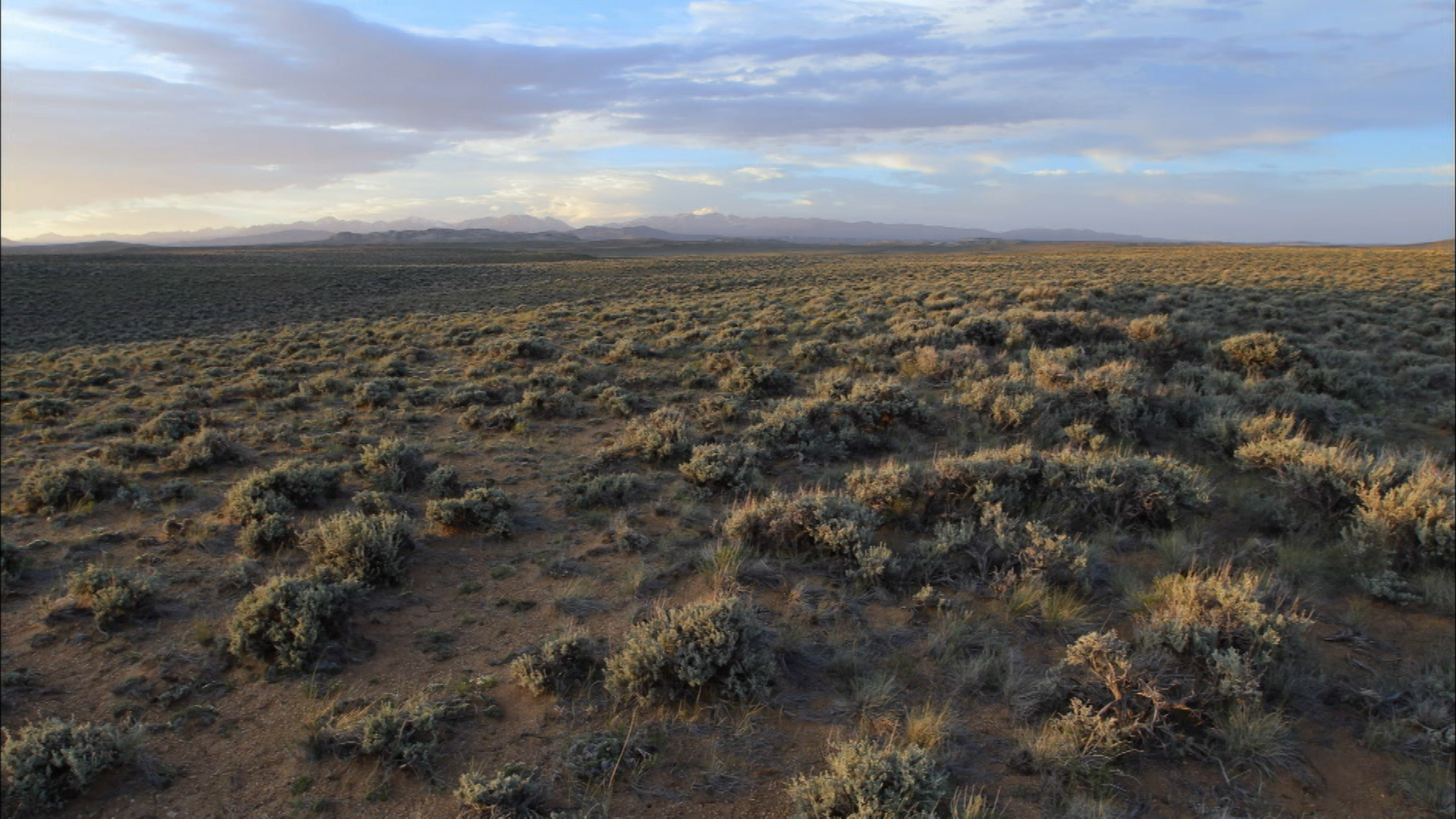
Sagebrush Sea
Google Image

Recently, the University of Wyoming Biodiversity Institute held a film screening of The Sagebrush Sea, along with a panel discussion n August 12th. The panel was comprised of Marc Dantzker, the film’s producer, Brian Rutledge, a biologist, and Dr. Matt Holloran, the National Audubon Society’s Conservation and Policy Advisor. The film was first aired on PBS May 20, 2015 and 1.2 million households viewed the nature documentary about the western sagebrush habitat. Due to the large involvement that the Wyoming Stock Growers Association has taken with the Sage Grouse Candidate Conservation Agreement with Assurances, we thought it was important to watch the film ourselves in order to answer questions for our members. With the determination to protect landowners across the state from certain endangered species listings and the understanding that ecosystem balances are important, I was interested to learn about the films opinions on the sagebrush sea.

From the beginning, it was hard to determine what the agenda of the film was going to be due to the political climate that the Sage Grouse brings. The room was filled with members from the Audubon Society and individuals interested in the environment and conservation to save the sagebrush ecosystem, one bird at a time. Despite individual agendas every person was friendly and welcoming. Needless to say the room was filled with a group of individuals who often have different views than ranchers but one thing we do have in common is caring for the public lands. Predicting the films agenda left us confused and yet a little curious too.

The auditorium was packed with over 50 individuals who welcomed producer Marc Dantzker. He introduced the film, the wide array of individuals working on this project, and then show began. The beautiful imagery of the film was very impressive and appealing to watch. As the movie began the narrator described the term “The Big Empty” that many define as the vast expanse of sage brush. Yet that term, “the big empty….that is far from the truth”, and I could not agree more.  The footage was mostly filmed in Wyoming’s western “bad lands”, as most call it, but the film was quick to remind viewers that there is a large amount of wildlife that lives in “the big empty”. “Sage is the anchor of the high desert. They can live up to 140 years,” explained the narrator. The movie did focus on the importance of sage brush for the Sage Grouse but also brought to the attention of the viewers the importance of sagebrush habitat for other animal species. The film covers many other bird species, like eagles and owls, as well as the various mammals such as mule deer, pronghorn, ground squirrels and many more animals inhabiting the west. The film also explained the dangers of cheat grass (Bromus tectorum) growth on the rangeland causing fire risks especially due to the lack of moisture in the area. Species that rely on the sagebrush as their habitat also have an increase risk of being attacked by predators explained the film. Interestingly enough the film did not explain that livestock in this area are also in danger to predators. Despite this the theme of the film brought into perspective the ecosystem the sagebrush provides in the west.

Regardless of my concern for an extreme agenda, the film was educational in its nature. Even if there is a slight agenda in the film when explaining that humans need to practice sustainable grazing for livestock, reduce road construction, energy development, fencing and overall human development of the land, there was a lot of information most individuals would not understand unless they were educated about the topic. As an agriculturalist, I hope that all living organisms can adapt to the changing landscapers and in return maintain a healthy ecosystem for wildlife, livestock and humans to co-exist in the sagebrush sea. As I discovered from the film, that ecosystem health is important to more than one animal species. Ecosystems are complex and in order to keep them healthy the efforts of many individuals and groups are needed.

To learn more follow these links:

http://www.sagegrouseinitiative.com/tag/wyoming/

http://www.nrcs.usda.gov/wps/portal/nrcs/detail/wy/programs/landscape/?cid=nrcs142p2_026728

Written by: Kadi Davis, WSGA Summer Intern

Toes in the Water

At the beginning of this week Josiah was able to take a break and cool off during a short vacation with his sisters. His sisters came to visit and took Josiah to Sinks Canyon at the base of the Wind River Mountains near Lander, Wyoming where they went for a hike while having a good time. After breaking a sweat hiking the Canyon, they went to Popo Agie Falls and went swimming. The falls were freezing but the natural slide in the granite created a fun time to cool off.

Waterfall

After the fun beginning of the week Josiah had to go back to irrigating. All of the fields he is working on are getting a good amount of water and the alfalfa is growing well. A few struggles occurred this week. First when one of the elbow joints burst on an irrigation system and caused water to flow everywhere and then Josiah wore holes in the bottom of his irrigating boots. His feet might be getting a little wet, but the educational experiences throughout the summer have created many opportunities to get his “feet wet” while learning on the ranch.  Struggles occur every day on a ranch but these struggles create new lessons to learn from everyday which is one of the many reasons why ranchers and farmers are thankful for the jobs that they have.

4-H and FFA: Youth Events Everyone Should Know About

SHOWCASE SHOWDOWN

Participating in 4-H and FFA were some of the most memorable moments in my life and many of the paths I am taking now came from the experiences I had in these youth programs. I remember participating and helping at the 4-H fundraisers and showing market steers at the county fair and in FFA I remember having Back to School barbeques and volunteering to ring the Christmas bell for the Salvation Army. Through these years of being an active youth agriculturalist, I have had many great experiences, yet I still missed out on the many opportunities these organizations provide.

Did you know that in 4-H there is an annual event called the Showcase Showdown? Well neither did I until recently. The Showcase Showdown is a three day event that offers opportunities for 4-H members to participate in contests, workshops and tours.  Children can join the 4-H club as young as 5 years old and stay in the program until they are 18. For 13 years, young adults have to opportunity to participate in agriculture activities at the competitive level and at the Showcase Showdown there are plenty of competitive activities to stay busy.

There are cake decorating contests, food cook-off contests, rocket launching and robotics contests, as well as table setting contests. These all sound like so much fun, yet there is more! There is a dog skill-a-thon, horse judging, livestock skill-a-thon, produce evaluation, prepared as well as impromptu presentations and hippology. The hippology contest gives youth the opportunity to demonstrate their knowledge of equine science and management at the junior, intermediate and senior level. Another interesting contest is produce evaluation. The contestants are given sets of vegetables and fruits, which are then evaluated and place in order based on quality and table readiness. After the contestants sort the produce they give a set of reasons to a judge defending their position on their placement of the produce.

Along with the many contests, there are workshops that educate the youth on topics such as wind science, graphic design, engineering, assistance dogs and many more. The Showcase Showdown sounds like such a great time and I wish I had known about the opportunity when I was in 4-H. To better understand the competitions I interviewed a few students who attended this year’s Showcase Showdown, at Laramie County Community College and this is what they had to say.

A young group from Albany County was at the Showcase Showdown to compete in the Livestock Skills Competition. Kemsley Gallegos explained that during the Livestock Skills Competition the team is “scored on their ability to work with others and problem solve.” During the competition, teams work together to identify breeds, identify whole sale meat products, and identify exterior parts of livestock. The teams identify each of these categories for cattle, sheep, hogs and goats. The teams are also required to identify different types of feed from cereal grains and forages to vitamins and by-products. If that is not enough, the groups also identify large and small equiptment relevant to livestock production. The Albany team took first place in the senior division which does not come as a surprise, the team seemed very prepared. Kemsley Gallegos, Thomas Christensen II, Jebidiah Hulett and Amanda Christinsen are all young adults who come from ranching backgrounds and are hard workers who deserved the first place award.

FFA CAMP

Along with the 4-H Showcase Showdown another summer event for youth in agriculture is the Wyoming FFA Camp. Every year Wyoming FFA members have the opportunity to participate in a camp that is held in Douglas, Wyoming. This year there were two sessions of camp because so many members participated. Each session is five days long during June. FFA Camp does require a registration fee and students pay for this fee by fundraising or applying for the Jim and Marcia Thrush Memorial Scholarship.

FFA Camp was established in 1978 and has become premier leadership training for FFA members throughout Wyoming. From the establishment of the camp, over 5,000 FFA members have participated.

“Attendees at camp generally look forward to a very full schedule with an emphasis on communication and self-awareness. Workshops include how to interview, public speaking, dealing with peer pressure and life as an FFA member, as well as some fun stuff like camp fires, Ag. Olympics and a dance,” explains ffacamp.org. The FFA Leadership Camp purposes are, to provide an atmosphere with positive personal growth, build awareness of self-worth, empower members to make a difference, be a role model and positive influence on others, along with doing the right thing. The program also aims to teach members the importance of defining one’s personal values and gives FFA member’s opportunities to prepare for personal and career success.

To understand the effectiveness of the FFA Leadership Camp, I interviewed Paden Koltiska of Sheridan. Paden is the 2nd Vice President of the Sheridan FFA Chapter. Paden was raised both on a ranch as well as in town so he understands the urban and rural lifestyles. He entered FFA following in his sisters footsteps but states that he is, “really glad that I joined the FFA, it has had a huge impact on my life.”

This is the second time that he has attended FFA camp and explains that his favorite part of camp is the first day when everyone plays volleyball to break the ice and meet more FFA members. “At camp they really encourage you to meet new people and they split you apart in different groups. It is important to have connections across the state,” explained Paden.  The theme this year was “Now”, which hit home with Paden. He told me that “there are always tough decisions that we have to make in life and they taught us to make decisions for ourselves and what makes us happy. We wrote down some of the regrets we had then on the last day we burned our regrets to live in the “Now”.”

Paden had learned so much about his worth at camp and made many friends along the way. The person that Paden displays today reflects the goals of FFA camp created, by defining ones personal values. Paden also said that he would do whatever is necessary to come back to camp because of the skills and life lessons that he learned. There might be a chance that if you attend you will have similar experiences with other young agriculturalists.

Over all youth involvement and activities are vital to making the agriculture community strong. Young adults learn skills, respect and are able to network through these activities, all leading to one main goal, agriculture advocacy. Looking back, I wish I had known about these fun activities. If you are interested in learning more about these great youth events please visit the FFA and 4-H website by clicking the links below.

Wyoming FFA Webpage: http://www.wyomingffa.org/

Wyoming 4-H Webpage: http://www.uwyo.edu/4-h/

Written by: Kadi Davis, Summer Intern

Two Weeks Left

Josiah has mentioned many times before that irrigating is a job that he has to do every day, so it does not come as a surprise when he explains, “that is all I have been doing this week”. Irrigating is important this time of year because of the drop in moisture, resulting in a constant chore to keep pastures and meadows irrigated. There are times where Josiah has to work on the irrigation ditches four or five times a day. Luckily he has a dirt bike to easily go to one pasture to another and complete the task. The only struggle is that his trusty shovel broke this last week due to the many hours put on it over the summer. Like much of the ranch equipment operator’s use, they always wish it would last just a little longer and there’s no doubt that Josiah feels the same. If only the shovel could have lasted two more weeks before he goes back to school.

Honda

Despite the work, there is always some excitement on the ranch. This week Josiah saw a black bear next to one of the fields he irrigates. Josiah was driving along in his truck and saw the little black bear when he came around a curve. He thought, “It was pretty cool,” but is going to have to keep a look out for mama bears too.

Join again next week to read about the last few weeks of the WSGA Rangeland Intern, Josiah’s Adventures.

Starting off August Right!

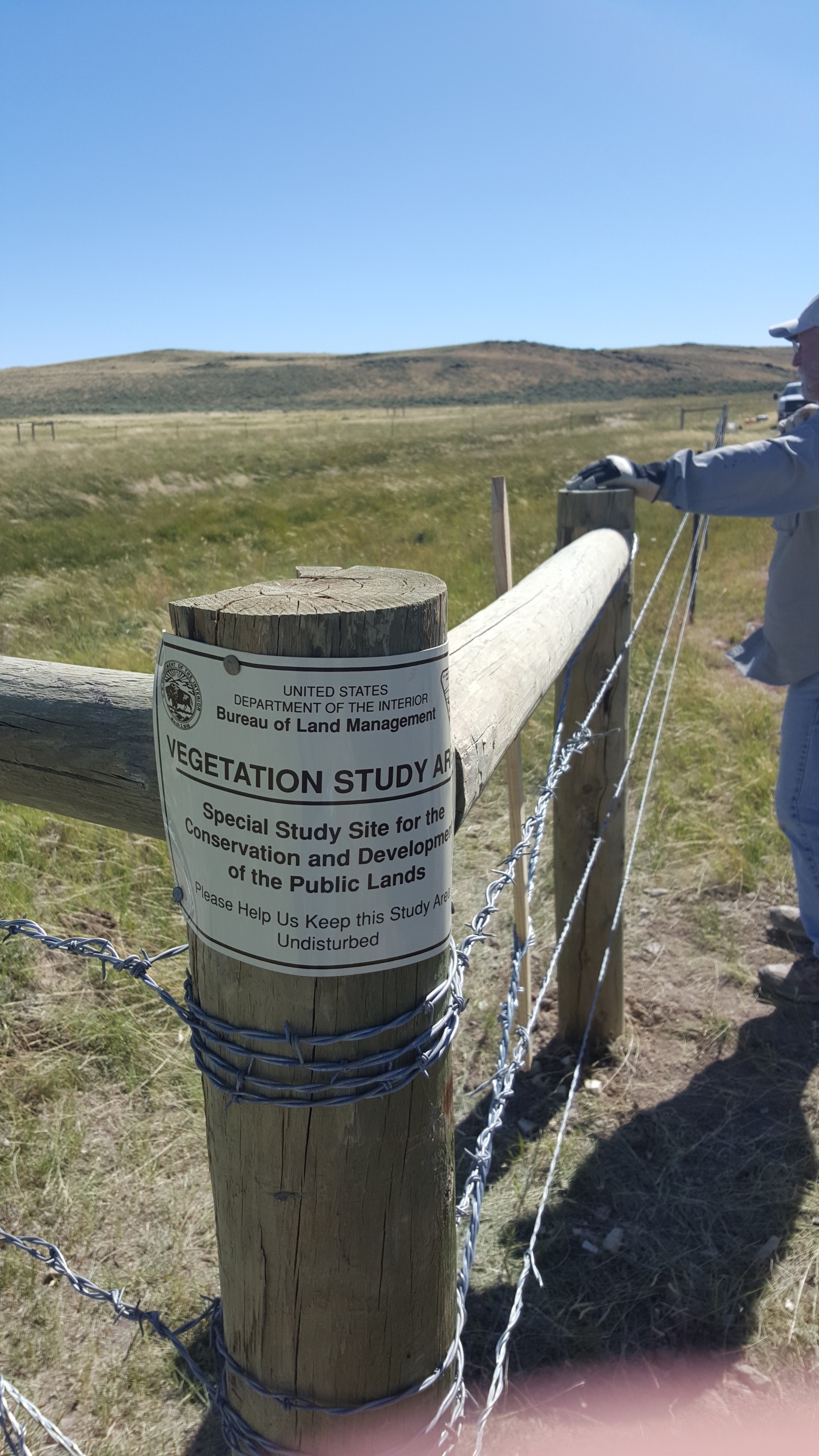
It has been yet another busy week for our Rangeland Intern Josiah and to kick it off, he started fencing. Monday and Tuesday Josiah and a few others built two sets of fence, each around an acre of land. The hard work began at seven in the morning and ended around six each night. The fences were built for a study the BLM is conducting for a 20 year research study on eroding stream banks and riparian areas. Josiah thought it was interesting working on the study area because he saw a lot of Sage Grouse, he explained that, “they were everywhere”.

Vegitation Study Area

Josiah later in the week, worked on the irrigation ditches because water is running lower than it was at the beginning of the summer. It is a job that has to be constantly worked on so water can reach the crops.

Josiah worked so hard this week that he got to leave the ranch for a day and go visit the Freemont County Fair for some socialization and to watch the livestock shows! He was glad that he got to see some friends there as well.

The summer is almost over but Josiah has a few weeks left so keep reading to see how he ends his summer, in next week’s update!

The Farm Paparazzi

Armed with an automatic setting to expose a happy life full of God's grace

Facts About Beef

Debunking myths about beef

Beef Runner

Agriculture Advocacy, Beef and Running

Wyoming Lifestyle Magzine

a virtual visit to wyoming's rural communities

Wyoming Livestock Roundup

a virtual visit to wyoming's rural communities

Bridle-Bit LLC Blog

Horse & Rider Training. Serving The Northern Front Range Since 1981

Faces of Agriculture

a virtual visit to wyoming's rural communities

The 307 Chronicles

a virtual visit to wyoming's rural communities

Wyoming Roundup

a virtual visit to wyoming's rural communities

a virtual visit to wyoming's rural communities

Double H Photography

a virtual visit to wyoming's rural communities

Ladder Ranch

Scenes, thoughts and poetry from our working ranch

Comedy Of A Cowgirl

The Comedy of Storytelling

RealRanchers.com

a virtual visit to wyoming's rural communities