Wyoming Approaches Coal Mining Milestone

Governor Matt Mead announced last week that Wyoming will mine its ten billionth ton of coal in May.“This is a significant achievement for our state and country. Coal mining has provided thousands of jobs in Wyoming over the last 150 years, all the while fueling America’s economy,” Governor Mead said. “Coal has helped make America great because it is an affordable and reliable source of energy. It keeps the lights on in our homes and powers America’s industries.”

Gillette WY Coal Mine 4

Since 1987, Wyoming has been the nation’s largest producer of coal. “Coal is the largest source of electricity in America and Wyoming proudly produces 40% of the nation’s coal. The importance of this industry to the country cannot be overstated,” Governor Mead said. “Here in Wyoming, coal has paid for the construction of our new schools, greatly benefiting our education system and local communities.”

Gillette WY Coal Mine 3

The Wyoming State Geological Survey (WSGS) researches the state’s coal production and geology as part of its mission. The WSGS’s coal geologist reviewed historical records dating back to 1865 when Wyoming was still a territory. He also looked at current production data from the Wyoming State Mine Inspector and calculated a total of 9,855,067,896 short tons of coal have been mined in the state through January 1, 2013.

Gillette WY Coal Mine 2

Using historical data, the state has been able to determine its energy contribution to the nation from coal. That contribution is huge. Wyoming through its coal resources has provided nearly 176 quadrillion British Thermal Units (BTUs) in energy to the country. “This is enough energy to power the entire nation’s electricity grids for more than eight years,” said Chris Carroll, state coal geologist with the WSGS. “Our estimates for recoverable reserves show we can continue to produce this valuable resource long into the future, as well as expand into other potential international and economically viable markets.”

Gillette WY Coal Mine 1

Wyoming’s North Antelope Rochelle and Black Thunder Coal Mines accounted for 20% of the U.S. coal production by tons in 2012. In 2012 Wyoming mines produced 401 million tons, with a total value of $4 billion.

“The mining industry is proud to have provided coal to Wyoming and the rest of the nation so that millions of people can have energy for manufacturing, clean water, refrigeration and heat,” said Marion Loomis, executive director of the Wyoming Mining Association. “The industry looks forward to supplying power from Wyoming coal – affordably, reliably – for the next 100 years.”

Coal Train

Wyoming is rich not only in coal resources, but also in the high quality of those resources. “Wyoming’s coal is the lowest sulfur and ash sub-bituminous coal in the country, which means it does not require washing or preparation prior to shipping to power plants,” Chris Carroll said. The quality of Wyoming coal is among the reasons it represents a major export for the state.

The WSGS has launched a new website on Wyoming’s Coal Resources as a clearing house of information for the public to access, including current production numbers, maps with layers of information and links to all the state’s mines and coal fields (via Google Earth), as well as educational pages, photos and historical records.

Wyoming Coal Website

From the Office of Wyoming Governor Matt Mead

Crepes for Cowboys

Baby chickens each spring ordered through the feed store are a fun project for the kids.

The feeding, watering and nurturing of the babies pays off once the grown hens begin laying.

This past season of babies is delivering a tremendous pay-load of layers, now nine months old.

The ten survivors plus three older hens provide one dozen of fresh eggs daily.

No family, unless housing the college rodeo team could consume that many eggs. Therefore, my smallest widget, being the less involved in extracurricular activities has become the proud owner and operator of Eggs Inc.; selling fresh eggs for $2.50 per dozen.

Our small town does not support such an enterprise, business is slow and inconsistent. We are always on the lookout for yummy egg dishes requiring as many eggs as possible.

There are only so many mornings that scrambled eggs are successful. Crepes, on the other hand, go down exceedingly well.

Crepes do take more time than scrambled eggs to prepare, thus make for a scrumptious weekend treat. To feed my crew, I often double this recipe.

Crepes for Cowboys

For the recipe, visit RealRancher Ondi Shepperson’s blog
Cooking for Cowboys

*EDITOR’S NOTE: The jam pictured here is from Raspberry deLight Farms in Shoshoni, Wyo. It is amazing and should be purchased in mass quantities.

Agriculture in South America – Brazil

I was on a cruise around South America during January, February and March 2013.  I went to Columbia, Panama, Ecuador, Peru, Chile, Argentina, Brazil and French Guiana.  I went to haciendas, estancias, and ranchos where there were Hausas and Gauchos.  Below are some agriculture photos from Brazil.

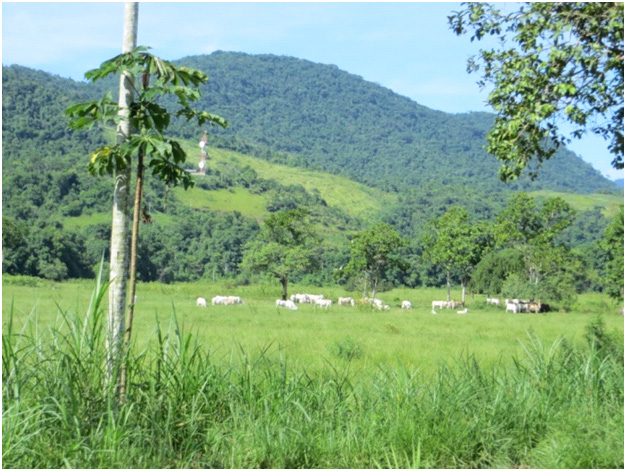
Cattle near Paraty, Brazil
Horses along the Amazon River near Parintin, Brazil
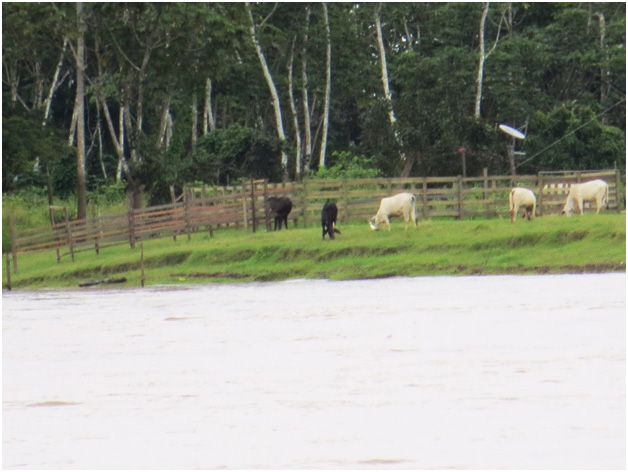
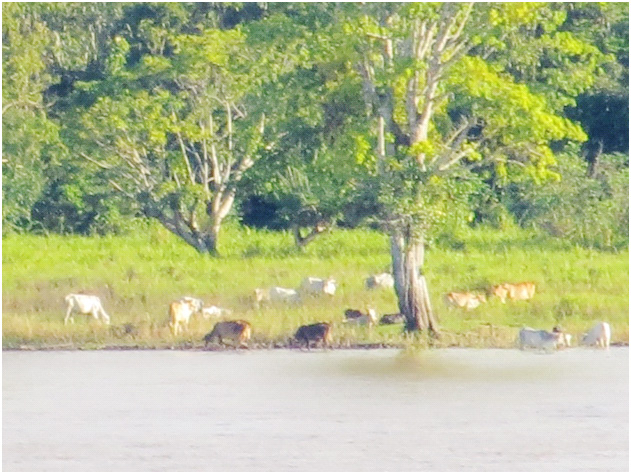
Cattle along the Amazon River near Manaus, Brazil
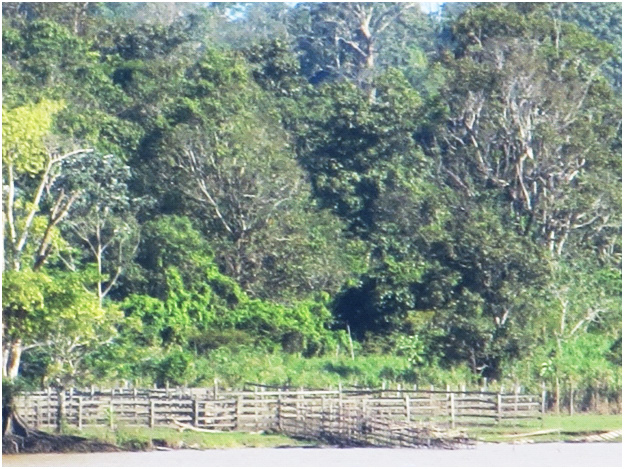
Corral with chute to load cattle onto barge on the Amazon River near Parintin, Brazil
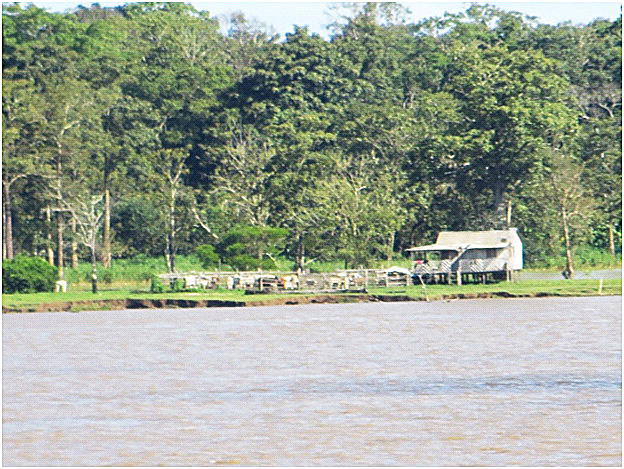
Estancia along the Amazon River near Parintin, Brazil
Barge to carry supplies and cattle on the Amazon River near Parintin, Brazil
Gaucho with cattle in corral along Amazon River near Parintin, Brazil
House along Amazon River near Santarem, Brazil
Water buffalo along Amazon River near Santarem, Brazil
Where they unload the cattle from the barges to put on trucks at Santarem, Brazil
Cattle along the Amazon River near Parintin, Brazil

From RealRancher Jonita Sommers – Pinedale, Wyo.

Editor’s Note: This is the last of several posts from Jonita’s travels. Check out her other great posts at http://www.RealRanchers.com!

Agriculture in South America – Argentina

I was on a cruise around South America during January, February and March 2013.  I went to Columbia, Panama, Ecuador, Peru, Chile, Argentina, Brazil and French Guiana.  I went to haciendas, estancias, and ranchos where there were Hausas and Gauchos.  Below are some agriculture photos from Argentina.

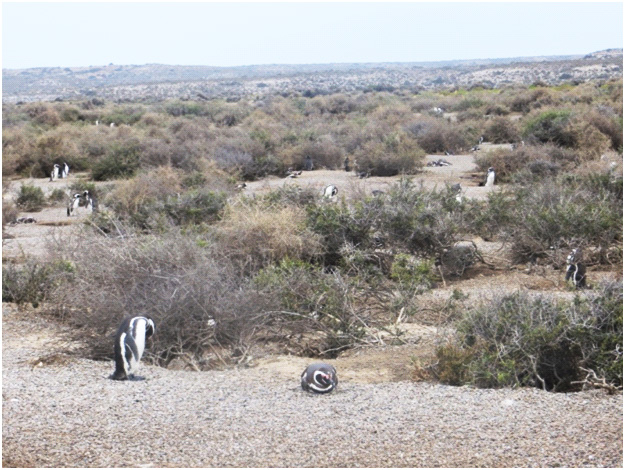
Penguins on sheep estancia on Valdez Peninsula near Puerto Madryn, Argentina
Penguins on a sheep estancia on Valdez Peninsula near Puerto Madryn, Argentina
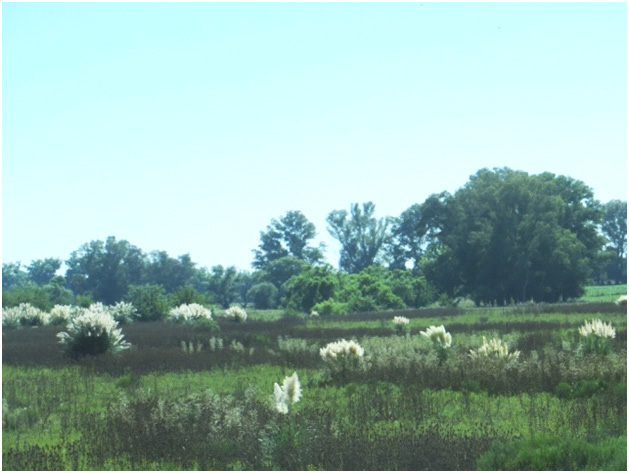
Pampas northwest of Buenos Aires, Argentina with native Pampas grass and the trees were all planted
Pampas northwest of Buenos Aires, Argentina with native Pampas grass trees
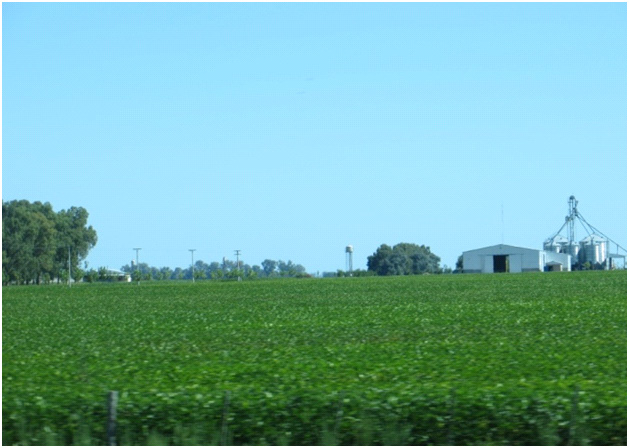
Soy Beans near Buenos Aires, Argentina
Chicken farm near Buenos Aires, Argentina

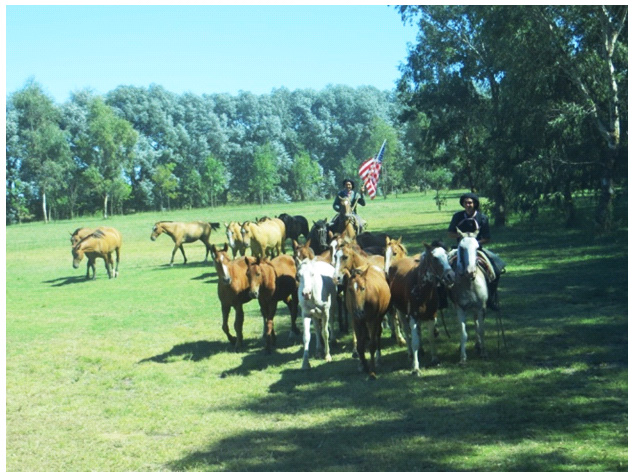
Horse Estancia near San Antonio de Aerco, Argentina

Horse Estancia near San Antonio de Aerco, Argentina—the gauchos trained their string of horses to stay with an old mare with a bell on her so they would recognize her and the bell sound. If two strings of horses were mixed, the gaucho could ride in and get the old mare, lead her out and the rest of his horses would follow her.  This originated when there were no fences on the Pampas (flat grass land.)
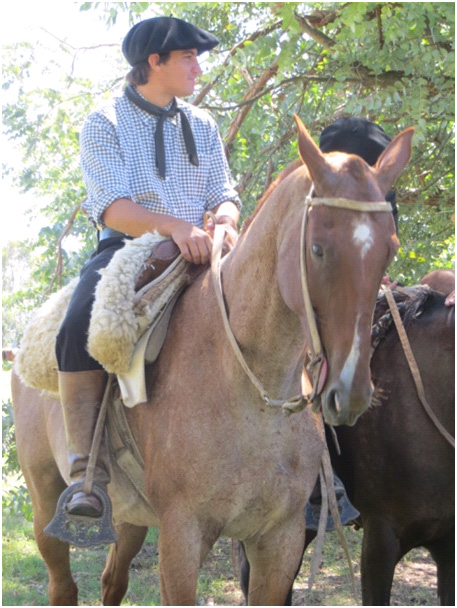
Gaucho near San Antonio de Aerco, Argentina—notice the number of saddle blankets and cinches
Hay on the Pampas northwest of Buenos Aires, Argentinapsd
Hay on the Pampas northwest of Buenos Aires, Argentina
Cows near Buenos Aires, Argentina
Trailers to haul polo horses near San Antonio de Aerco, Argentina

From RealRancher Jonita Sommers – Pinedale, Wyo.

Editor’s Note: We will post more photos from Jonita’s trip in coming posts!

Agriculture in South America – Ecuador

I was on a cruise around South America during January, February and March 2013.  I went to Columbia, Panama, Ecuador, Peru, Chile, Argentina, Brazil and French Guiana. I went to haciendas, estancias, and ranchos where there were Hausas and Gauchos. Below are some agriculture photos from Columbia and Ecuador.

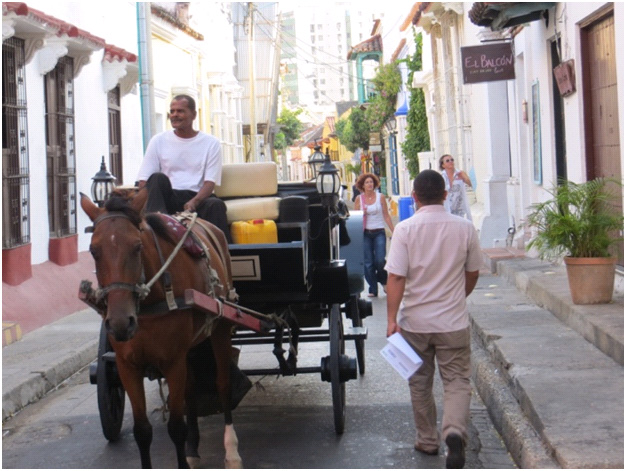
Horse pulling a buggy in old town Cartenga, Columbia
Fruit and vegetable stand at farmers home outside Guayaquil, Ecuador
Cocoa seeds in cocoa factory ready to make chocolate outside Guayaquil, Ecuador
Carrying cocoa seeds from Cocoa plants at hacienda outside Guayaquil, Ecuador
Barn near Monte Cristo, Ecuador
Pantene farm in Ecuador

From RealRancher Jonita Sommers – Pinedale, Wyo.

Editor’s Note: We will post more photos from Jonita’s trip in coming posts!

Agriculture in South America – Chile

I was on a cruise around South America during January, February and March 2013.  I went to Columbia, Panama, Ecuador, Peru, Chile, Argentina, Brazil and French Guiana. I went to haciendas, estancias, and ranchos where there were Hausas and Gauchos.  Below are some agriculture photos from Chile.

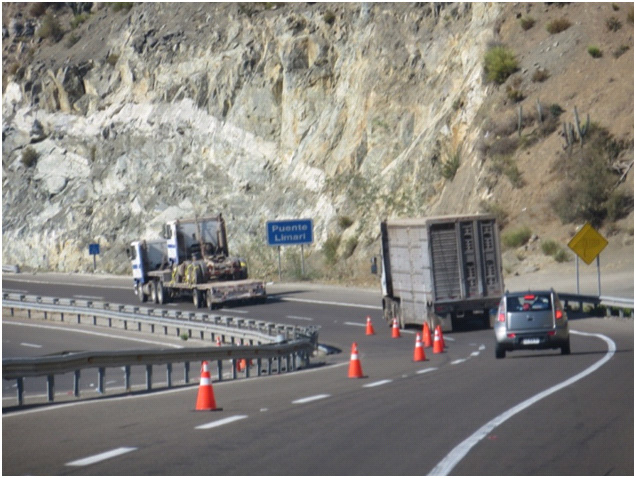
Cattle truck on PanAm Highway south of Coquimbo, Chile
Elqui Valley south of Coquimbo, Chile where they grow all kinds of vegetables and fruits
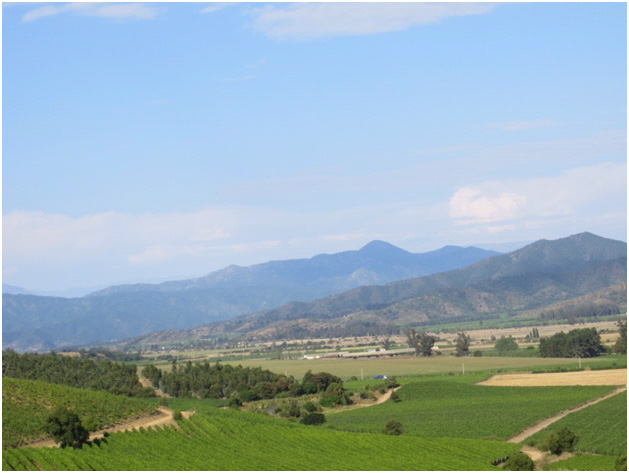
First valley east of Valparaiso, Chile where the Chilean wine and Pisco is made
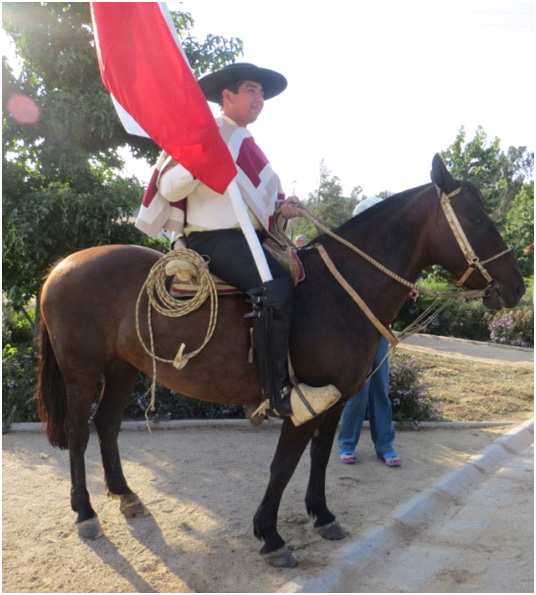
Hausa (cowboy) between Valparaiso and Santaigo, Chile
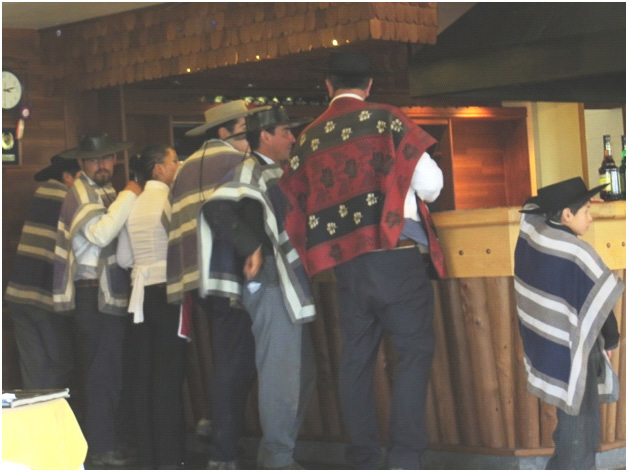
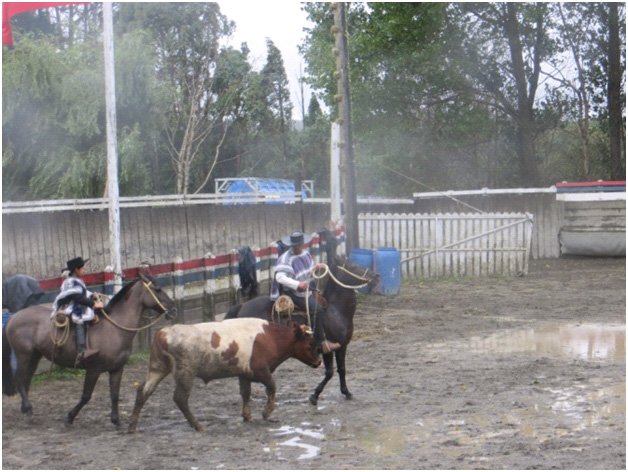
Hausas at rancho near Puerto Montt, Chile.  The Hausas for each ranch wear the same color scheme ponchos while the owner has a different pattern.
Hausas at rancho near Puerto Montt, Chile. The Hausas for each ranch wear the same color scheme ponchos while the owner has a different pattern.
Ranch rodeo at cattle rancho near Puerto Montt, Chile
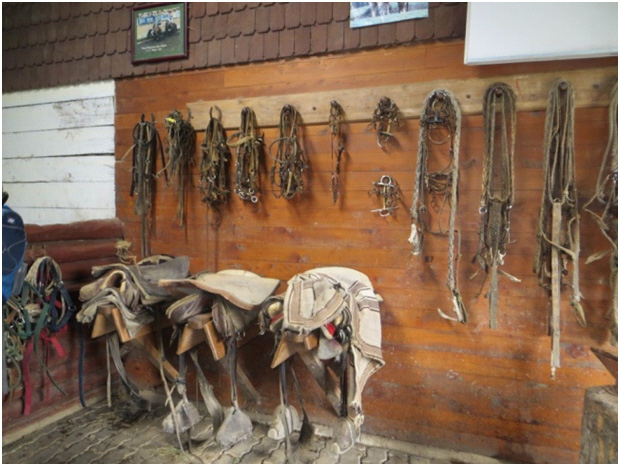
Tack room at ranch near Puerto Montt, Chile
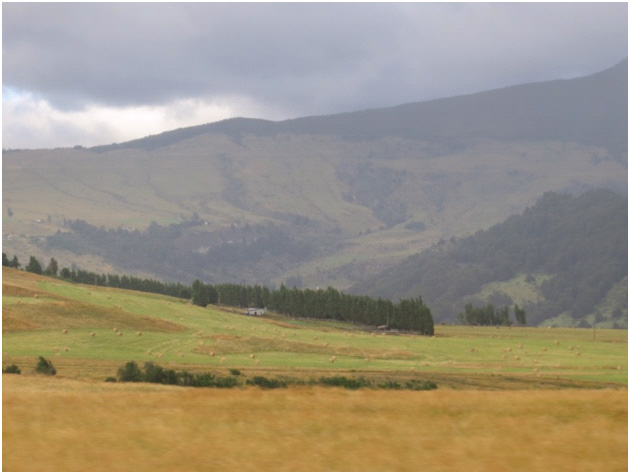
Hay on Northern Patagonia near capital of Patagonia—Chile
Hay on Northern Patagonia near capital of Patagonia, Chile
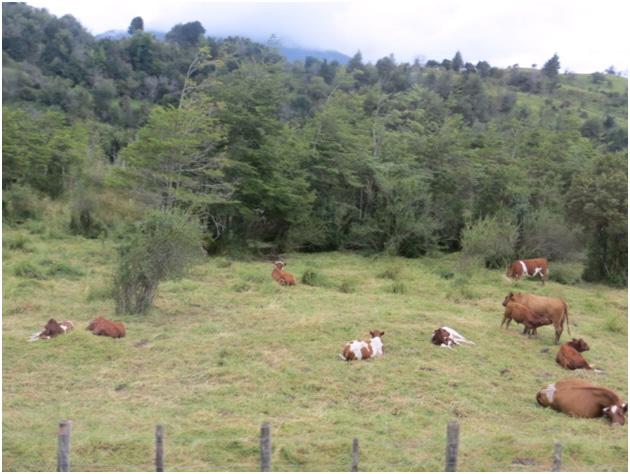
Cattle on northern Patagonia near Puerto Chacabuco, Chile
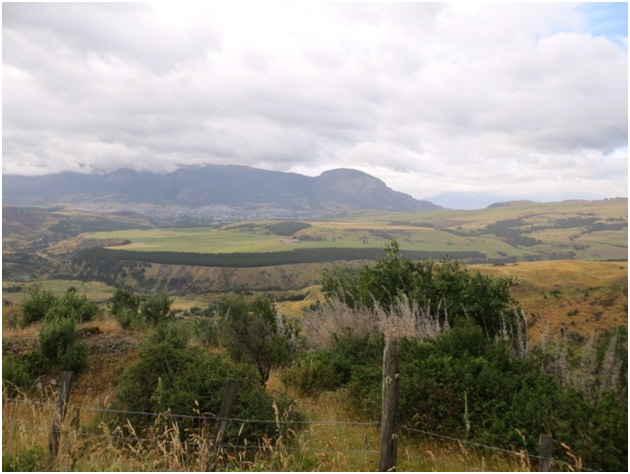
Northern Patagonia with capital of Patagonia in the background— Coyhaique, Chile
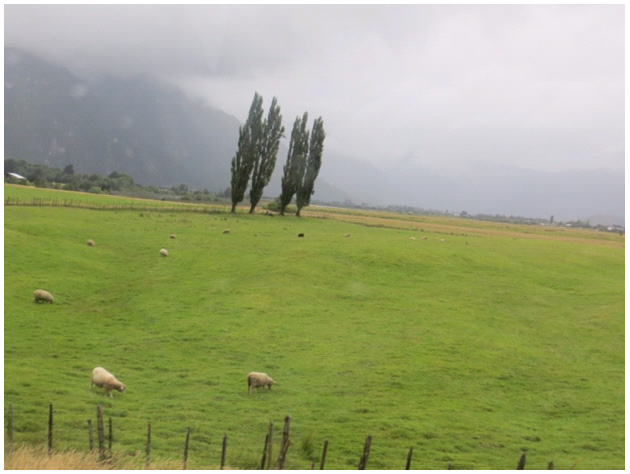
Sheep on northern Patagonia near Puerto Chacabuco, Chile
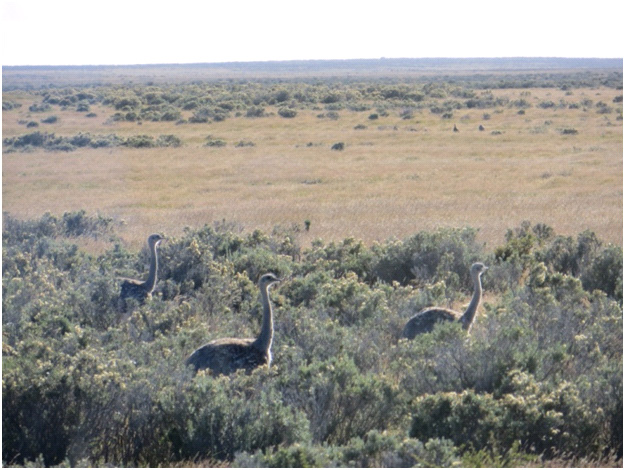
Nandu on Southern Patagonia near Punta Arenas, Chile
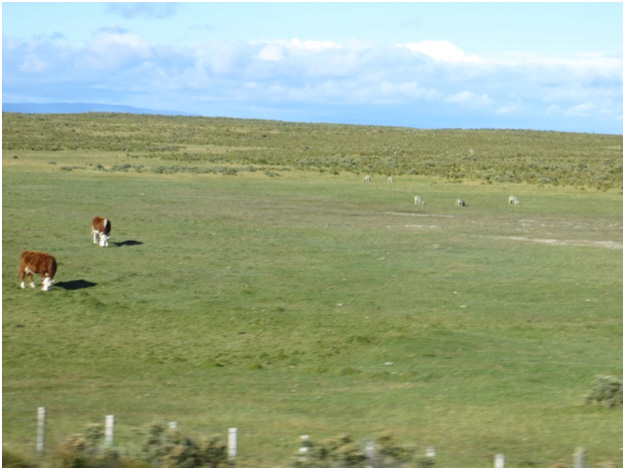
Cattle and sheep on range outside Punta Arenas, Chile

From RealRancher Jonita Sommers – Pinedale, Wyo.

Editor’s Note: We will post more photos from Jonita’s trip in coming posts!

Agriculture in South America – Peru and Uruguay

I was on a cruise around South America during January, February and March 2013.  I went to Columbia, Panama, Ecuador, Peru, Chile, Argentina, Brazil and French Guiana. I went to haciendas, estancias, and ranchos where there were Hausas and Gauchos. Below are some agriculture photos from Peru and Uruguay.

Estancia that raised Peruvian Paso horses
Farming near Salaverry, Peru
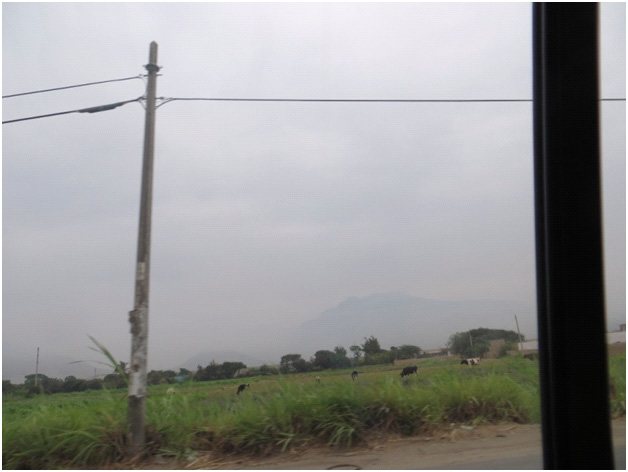
Milk cows near Salaverry, Peru
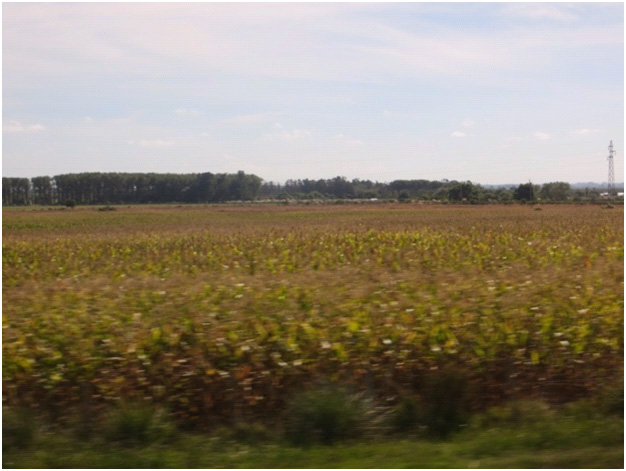
Sorghum near Montevideo, Uruguay
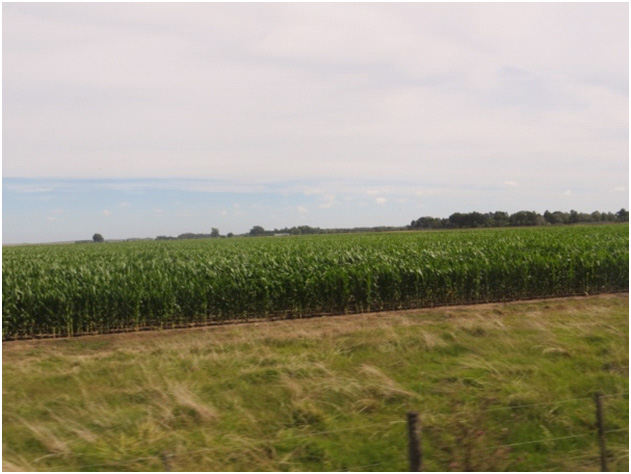
Corn near Montevideo, Uruguay
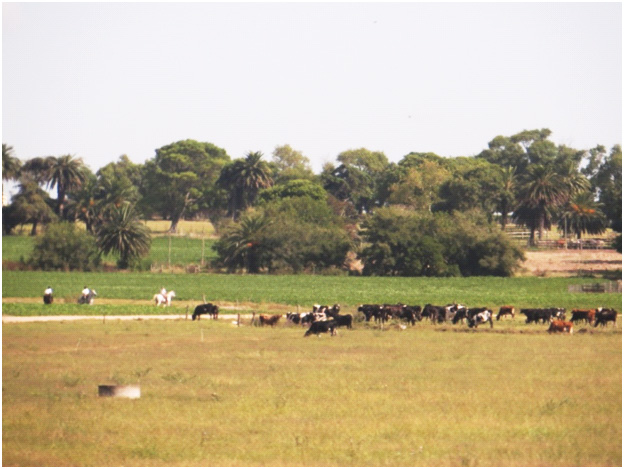
Dairy cows on estancia near Montevideo, Uruguay

From RealRancher Jonita Sommers – Pinedale, Wyo.

Editor’s Note: We will post more photos from Jonita’s trip in coming posts!

Blizzards and Cattle

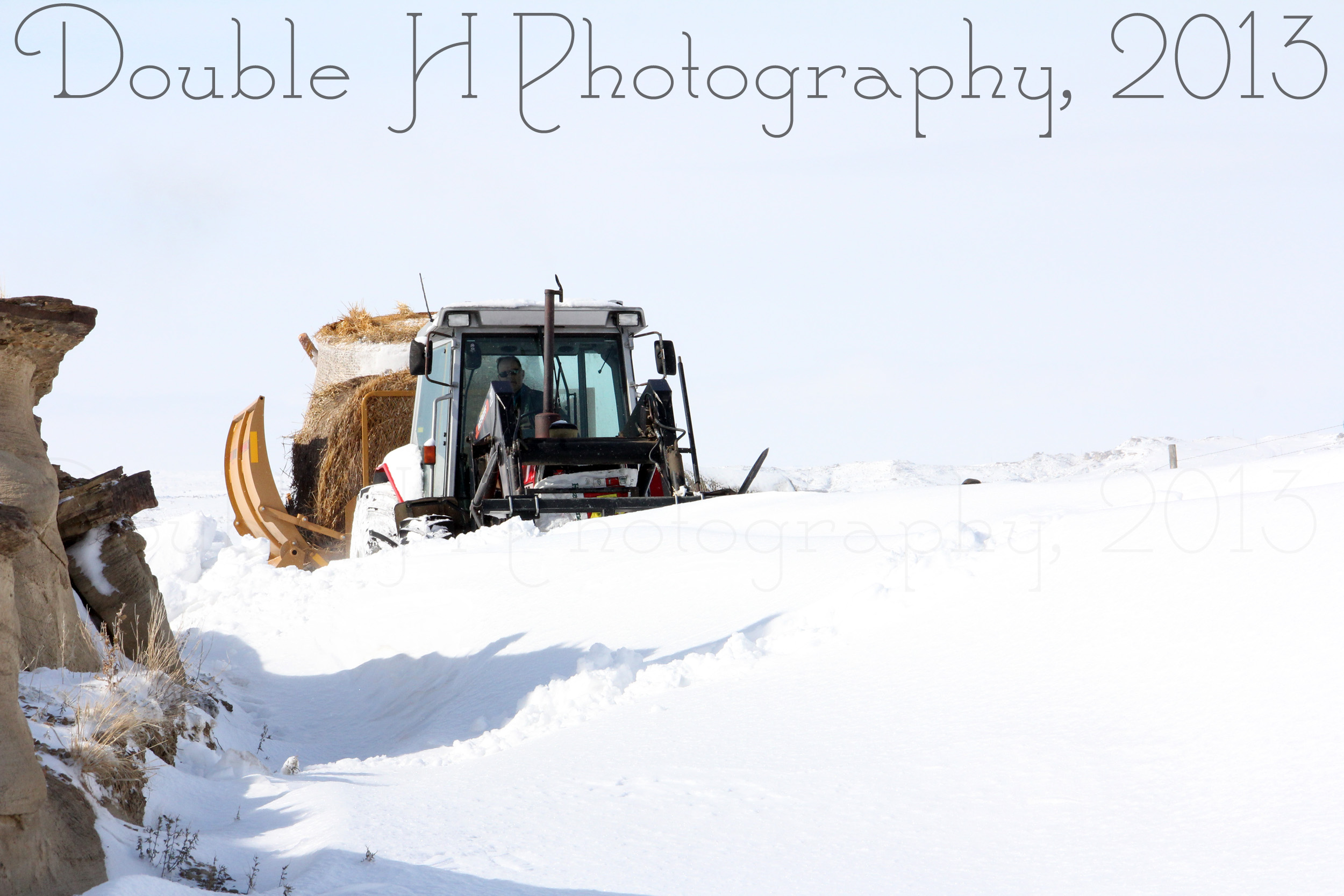
IMG_9828copyright

Perhaps you watch the weather and heard about the West getting pounded with snow this week? We were right in the path of the storm, and couldn’t have been happier about the prospective moisture! However, it did come in blizzard form, which wasn’t anyone’s first choice, but dry as it has been around here, no one was complaining.

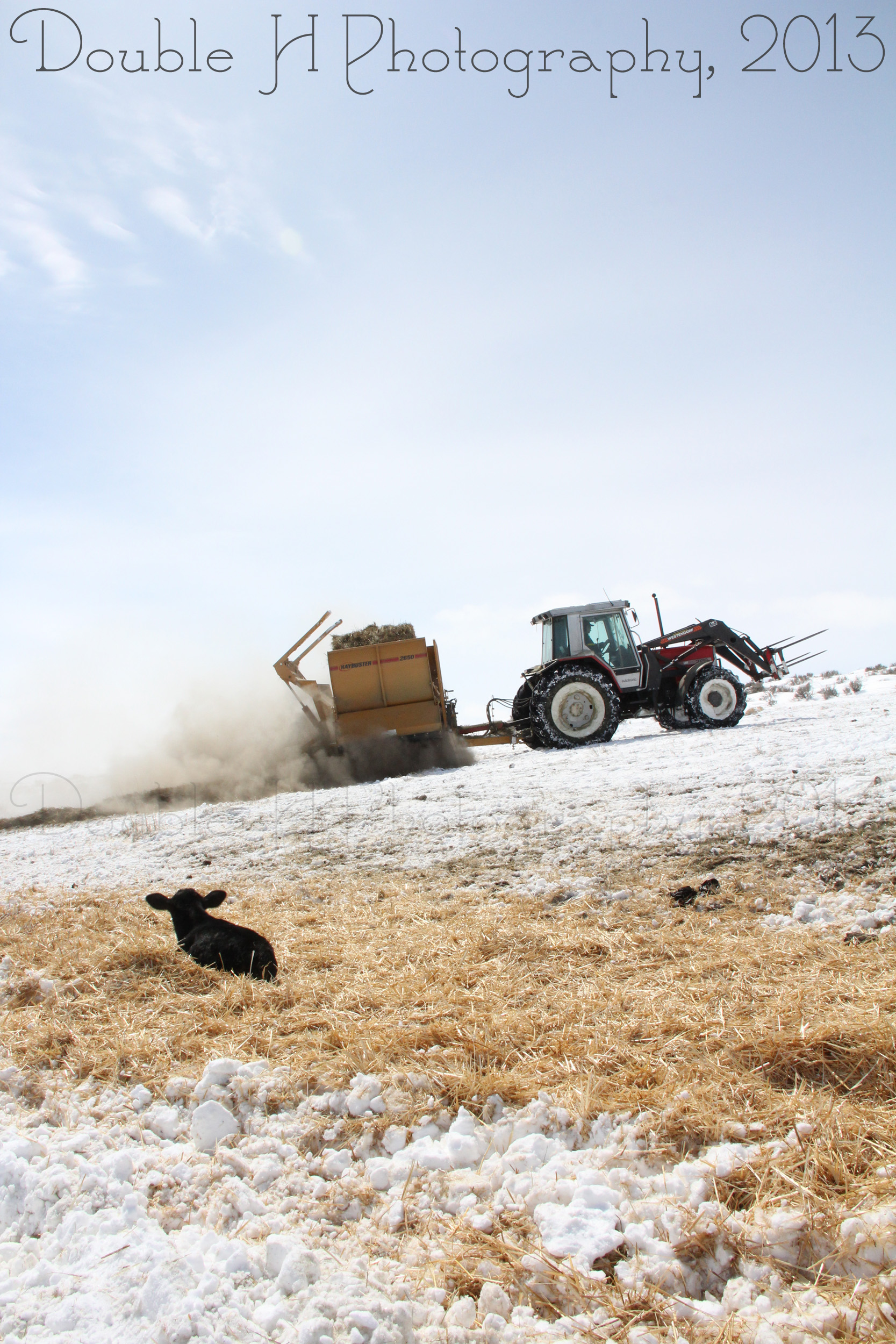
IMG_0238copyright

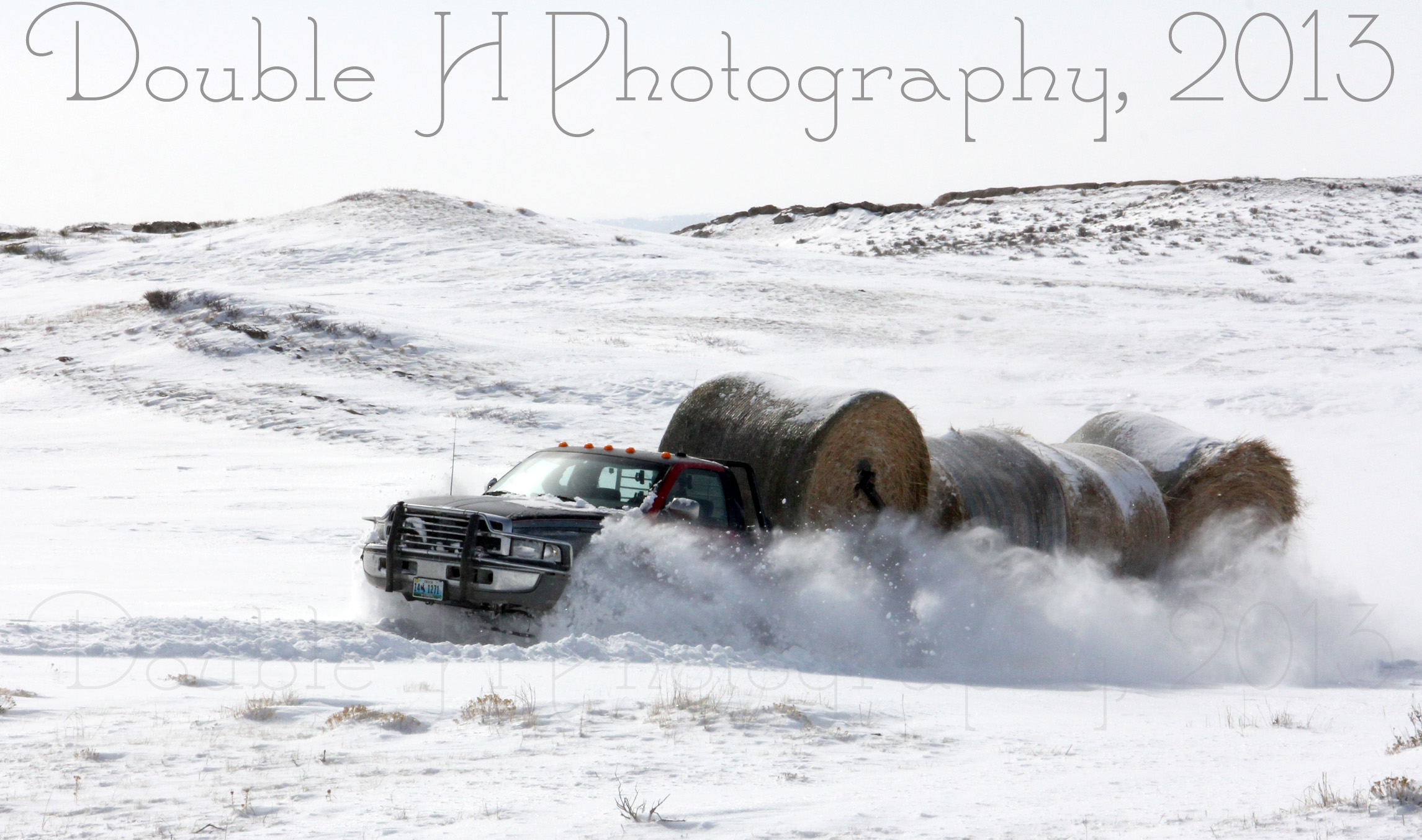
IMG_9932copyright
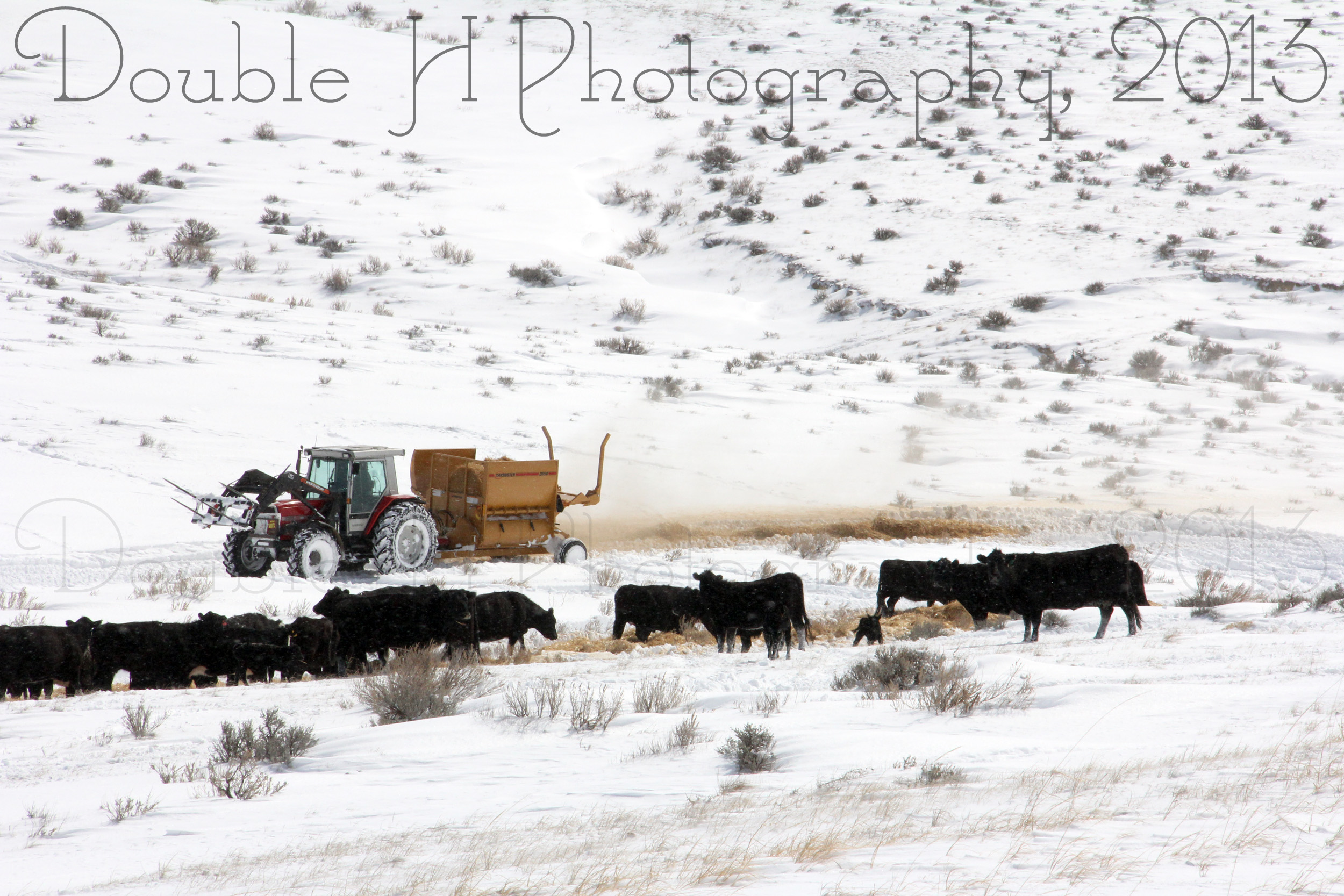
When we have a blizzard, we try to get our cattle fed up ahead of time, then we leave them alone during the storm. Our rough, deep draws (small canyons) provide awesome protection, and our cows are used to taking care of themselves. If we were to try to feed in the middle of a blizzard, it would cause the cows to leave their protection, and result in more problems and calf deaths than if we just leave them alone. The cows will hole up somewhere out of the elements, and keep their calves warm and cared for too.
IMG_0089copyright

This post is continued on RealRancher Heather Hamilton’s blog Double H Photography. Click the link to read more!

Oil Wells at Doug Cooper’s

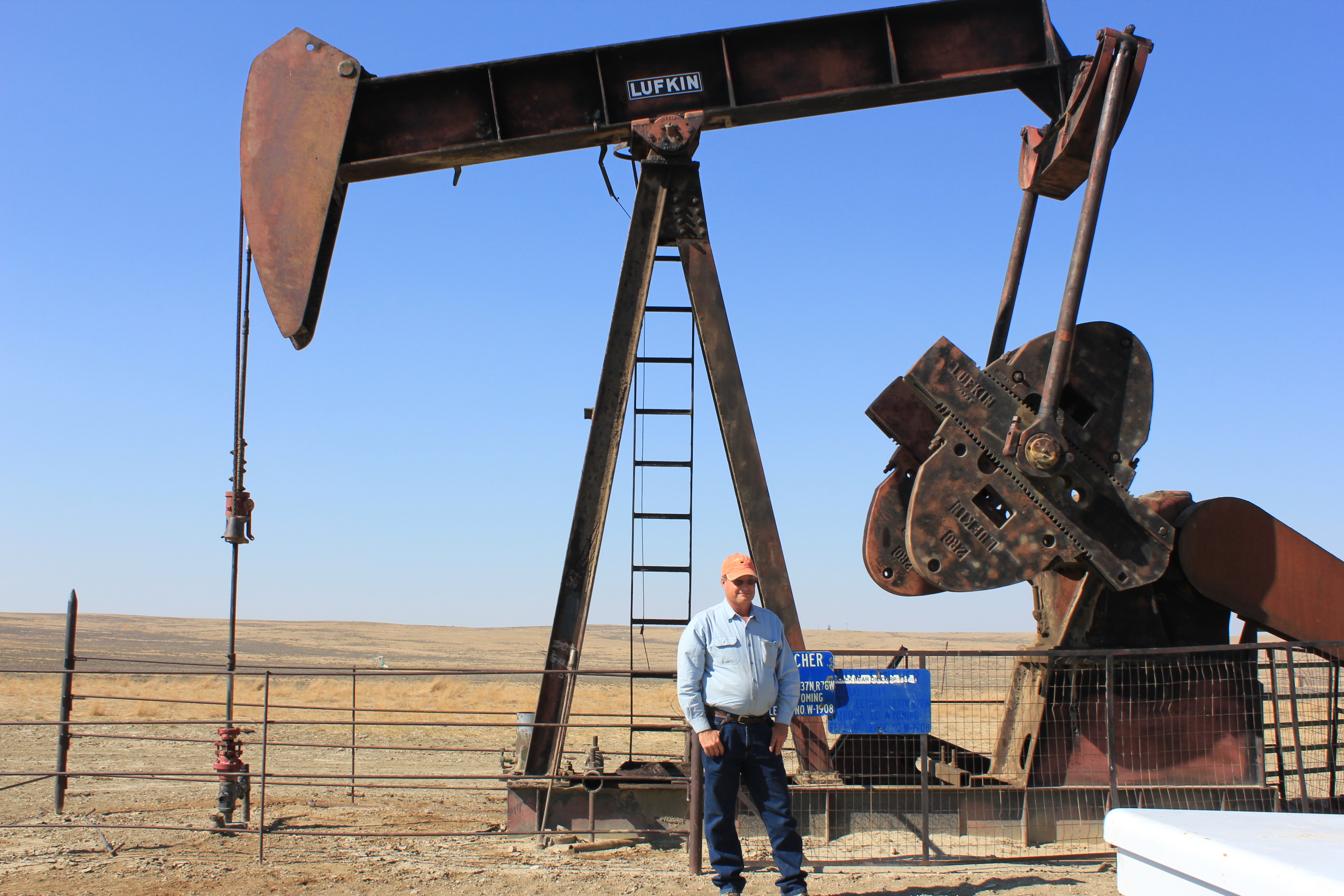
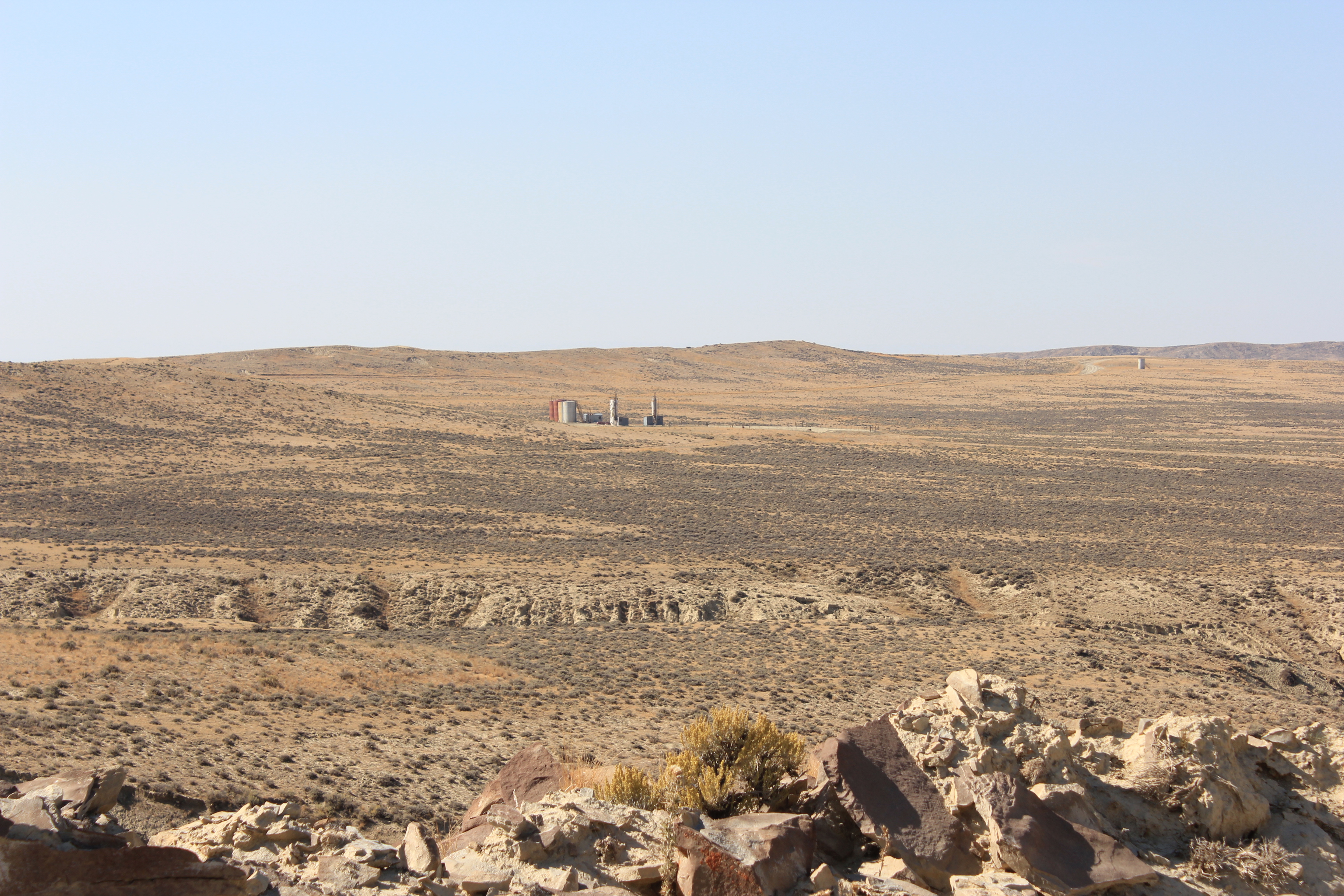
Doug Cooper resides outside of Casper and lives on his ranch that has been in the family for many years. On the Cooper’s ranch there are more than 60 oil wells and companies are still drilling more wells.

Doug Cooper stands infront of an oil well
Doug Cooper

The ranch is connected to Teapot Dome and Salt Creek Oil Fields. In the 1920’s there was a scandal at Teapot Dome and it is a very historical location in the oil industry.

Teapot Dome
Teapot Dome

The area where the Cooper ranch is located is very connected to the energy industry. There are oil wells on the neighbor’s ranches and there is a wind turbine farm to the south of Coopers.  Most of the ranchers are surface owners because when the land was homesteaded many years ago people made claims to the mineral rights and there is still evidence of the claims by the wells.

In the 1920’s, companies started drilling for oil in that area. A big oil boom in the 1950’s resulted in 60 oil wells being drilled. The second boom of oil drilling came in the 70’s and since then more wells are drilled every few years. Through the years better technologies have been developed and used by energy companies to get better results and find oil more efficiently.

Oil wells in the distant
Oil wells on the ranch

Doug believes in making a relationship with the oil companies. He says it makes it easier to work with them and get things done the right way to avoid problems on the ranch. There are four different companies that control the wells on the ranch. Doug has made relationships with all the companies and has made rules for the companies to follow.

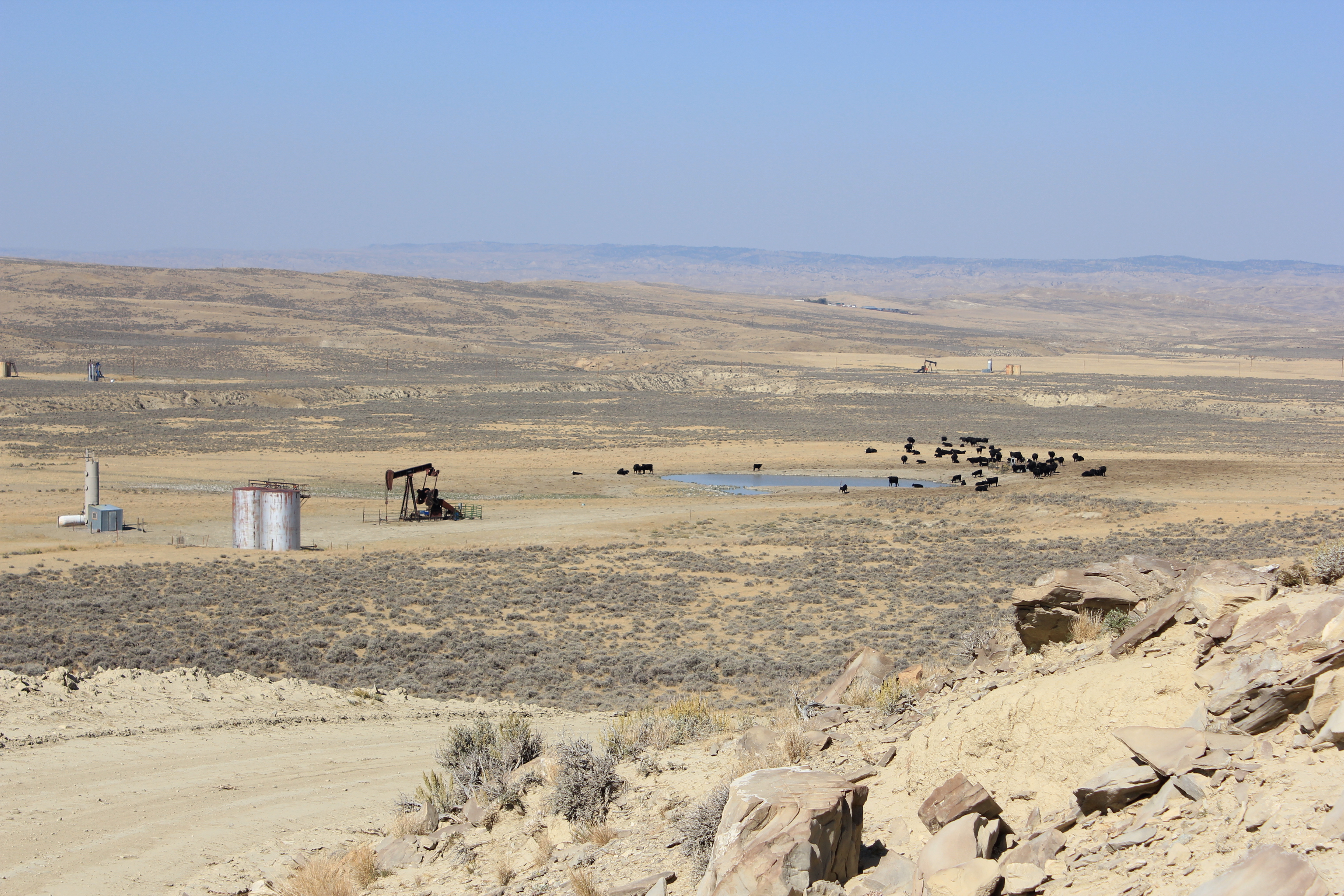
Oil well, water pit and cattle

Doug said there are some issues that make drilling for oil complicated. State and federal regulations are one issue. Right now on the ranch, they are trying to drill 8 new locations but this can’t be done because of Sage Grouse regulations.  The ranch and oil companies are working together to find answers to their problems concerning drilling and sage grouse habitats. Regulations also restrict drilling between July 15- November 15. This causes problems with the activities that are going on at the ranch at this time.

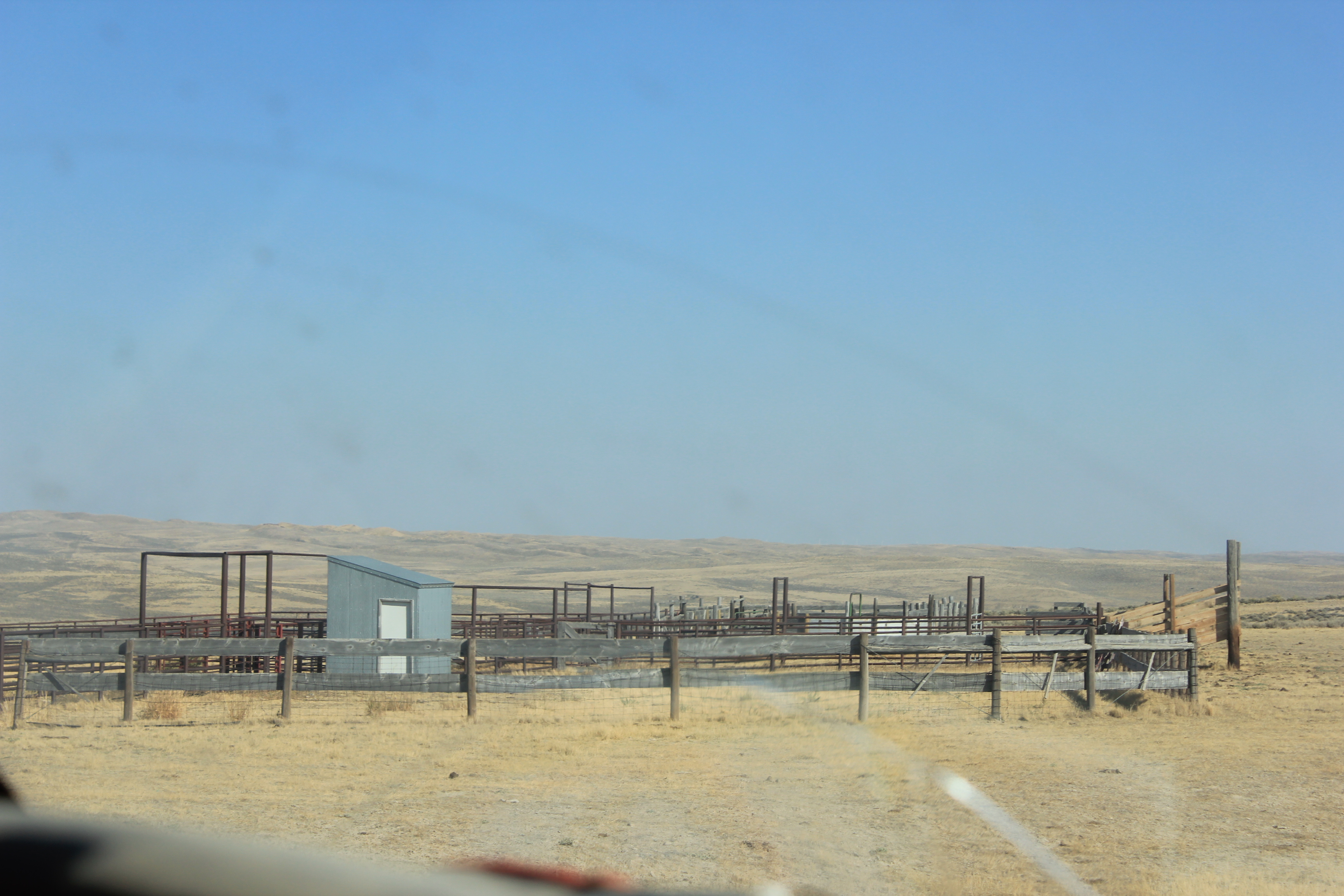
Loading Corrals made from left over oil pipeline
Loading corrals made from leftover oil pipeline

Doug also believes there are benefits to working with the energy industry. Ranchers have used leftover oil-field pipe to build corrals. Oil companies also sometimes let ranchers use their water pits to water cattle after drilling is complete.

There is always a give and take for landowners and energy companies, but in Wyoming where the ranching and energy industries are so closely tied, all parties do their best to produce products that keep America running.

As told to Brittany Schaneman – Wyoming Stock Growers Association Summer 2012 Intern

Food Ethics

Happy National Ag Week! With less than 2% of the American population involved in production agriculture, the industry gets lost on a lost of folks minds. However, agriculture is incredibly vital! Without it, you’d be hungry and naked…not a pretty picture.

I recently watched a great YouTube video by the Center for Food Integrity called “What Is The Ethical Choice?” and I thought I’d share some of the statistics they presented. It seemed fitting for National Ag Week. The video is 15 minutes (an eternity in YouTube time), but is worth watching! Unless otherwise stated, all statistics presented were taken from this video.

One American farmer feeds about 155 people

In 1950 there were 154 million people in the United States. At that time there were 5.6 million farms and one farmer fed about 30 people. In 2010 there were 310 million people in the U.S. We had 2 million farms and one farmer fed about 155 people.

If the number of farms and the level of production remained constant from 1950 until today, there would be no food for about 151 million people. That’s approximately half the U.S. population! So, the population of California, Texas, New York, Florida, Illinois, Pennsylvania, Ohio, Michigan and Georgia (the nine most populous states) would have no food.

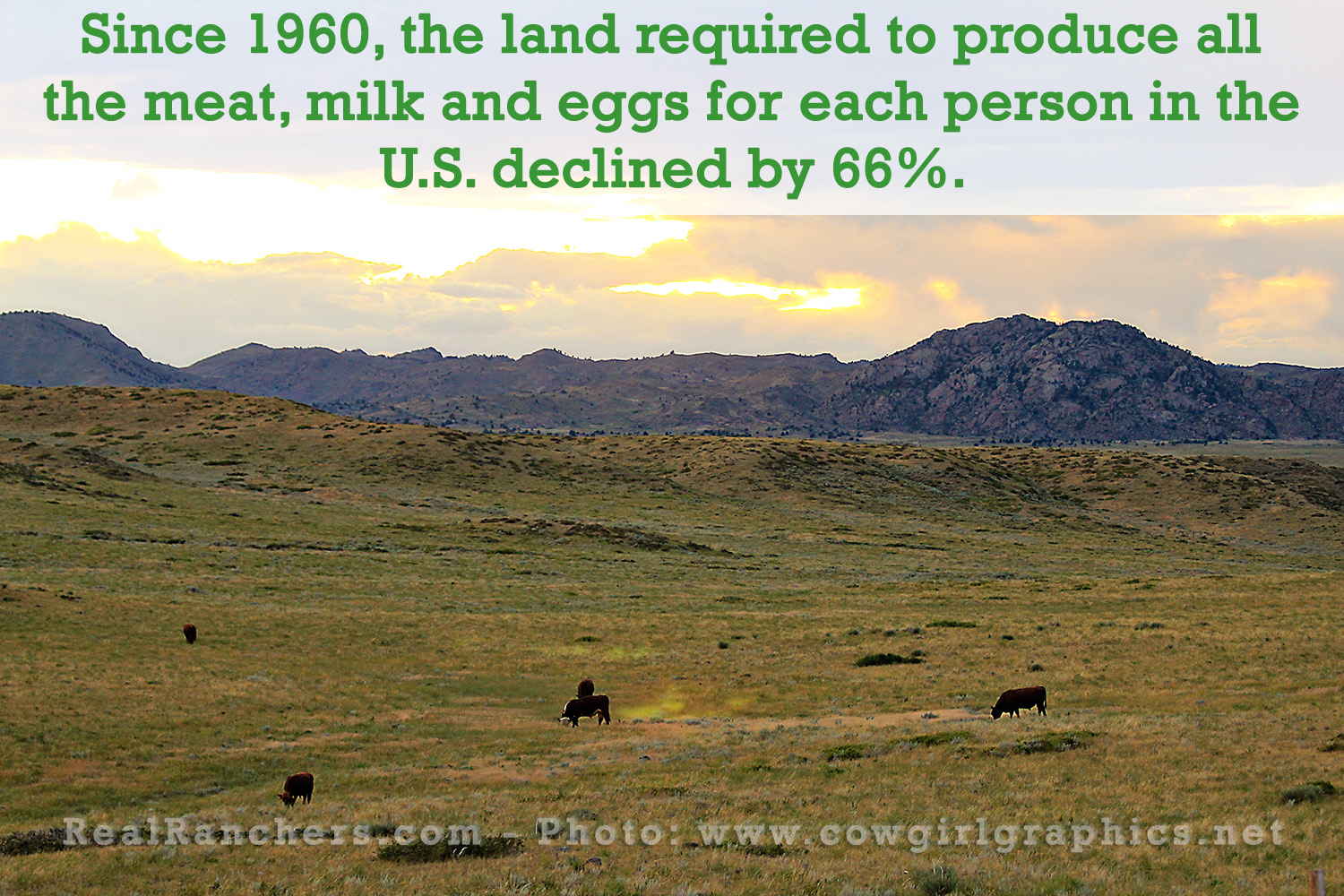
American agriculture uses 66% less land than in 1960

Due to the innovations in American agriculture, we are using less land, less water and creating a smaller environmental footprint. Here are some stats to back that up:

  1. Farmers used 10 million more acres in 1960.Compared to 1950, U.S. milk producers provide 63% more milk with 58% fewer cows
  2. Compared to 1944, each gallon of milk produces a 63% smaller carbon footprint, generates 76% less manure, uses 65% less water and uses 90% less land.
  3. Compared to 1950, pork producers provide 176% more pork per sow with 44% fewer sows.

Farmers produce 333% more corn on 11% more acres

Here are some other amazing production increase vs. land increase numbers. Since 1950:

  1. Lettuce growers produce 12 times more lettuce on only 2.5 times more land
  2. Tomato growers produce 8 times more tomatoes on only 3 times more land
  3. There are 53% more eggs produced with 3% less land
  4. Farmers raise 11 times more soybeans on only 5 times more land
  5. Wheat growers produce 69% more wheat on 6% fewer acres

But American agriculture’s job isn’t done. As U.S. and world populations grow, food insecurity continues to rise. We have less and less land to produce more and more food.

US spends the least amount per household on food

Even though Americans spend the least amount of their incomes on food, the rate of food insecurity in our country is higher than ever. In 2009, nearly 15% of U.S. households were food insecure at some time during the year. This attests to the need for more innovation in the industry so we can have affordable, abundant food sources for everyone.

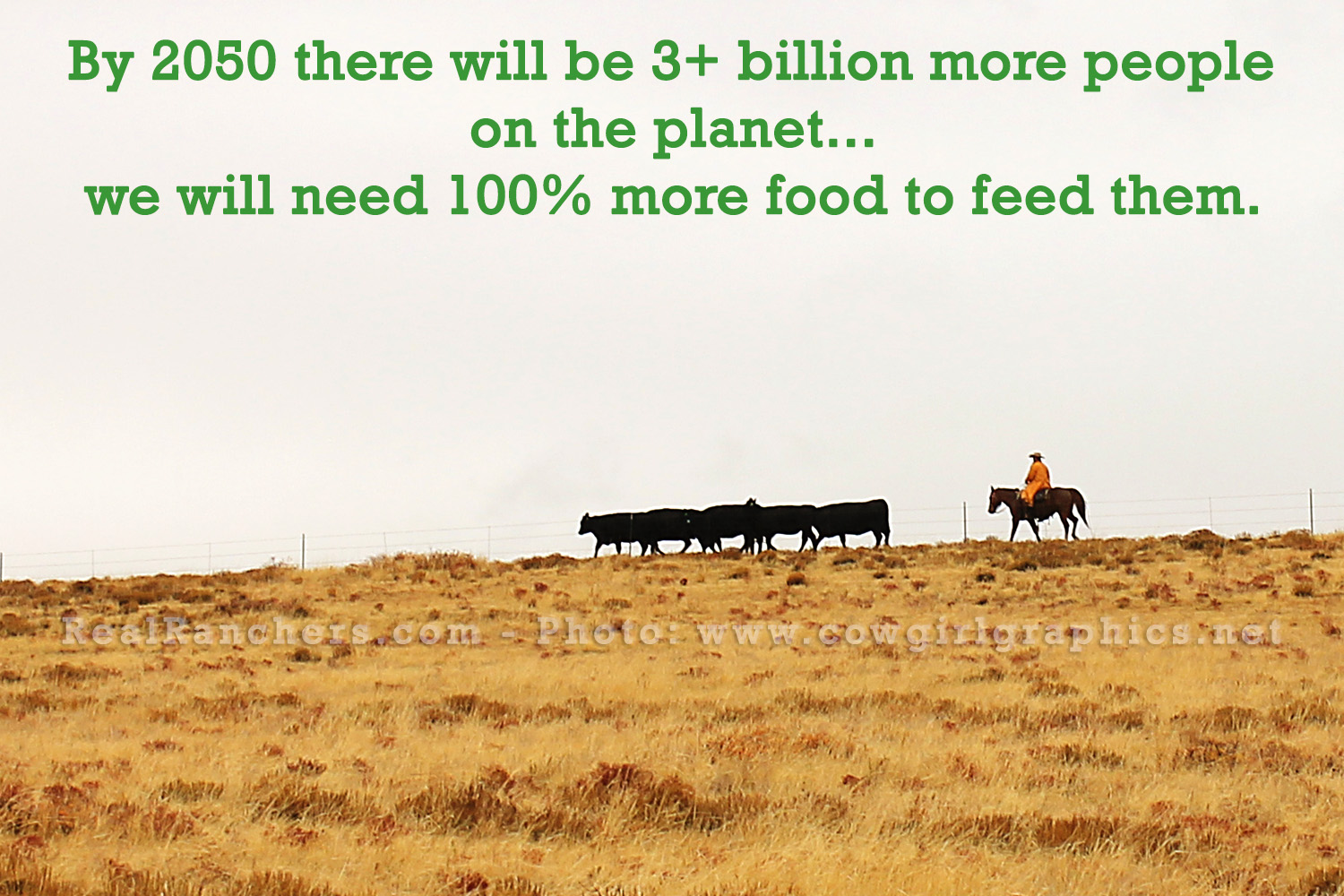
By 250 there will be 3+ billion more people on the planet and we will need 100% more food

Each day there are 206,600 more people in the world. If production doesn’t increase, prices will increase and those who can least afford it will be impacted the greatest. If we can’t close the gap, by 2050 there won’t be any food for 300 million people (almost the entire U.S. population). According to the United Nations, 25,000 people (half of which are children), die every day from hunger and malnutrition. The Center for Food Integrity video posed the question “How can we close this gap?”

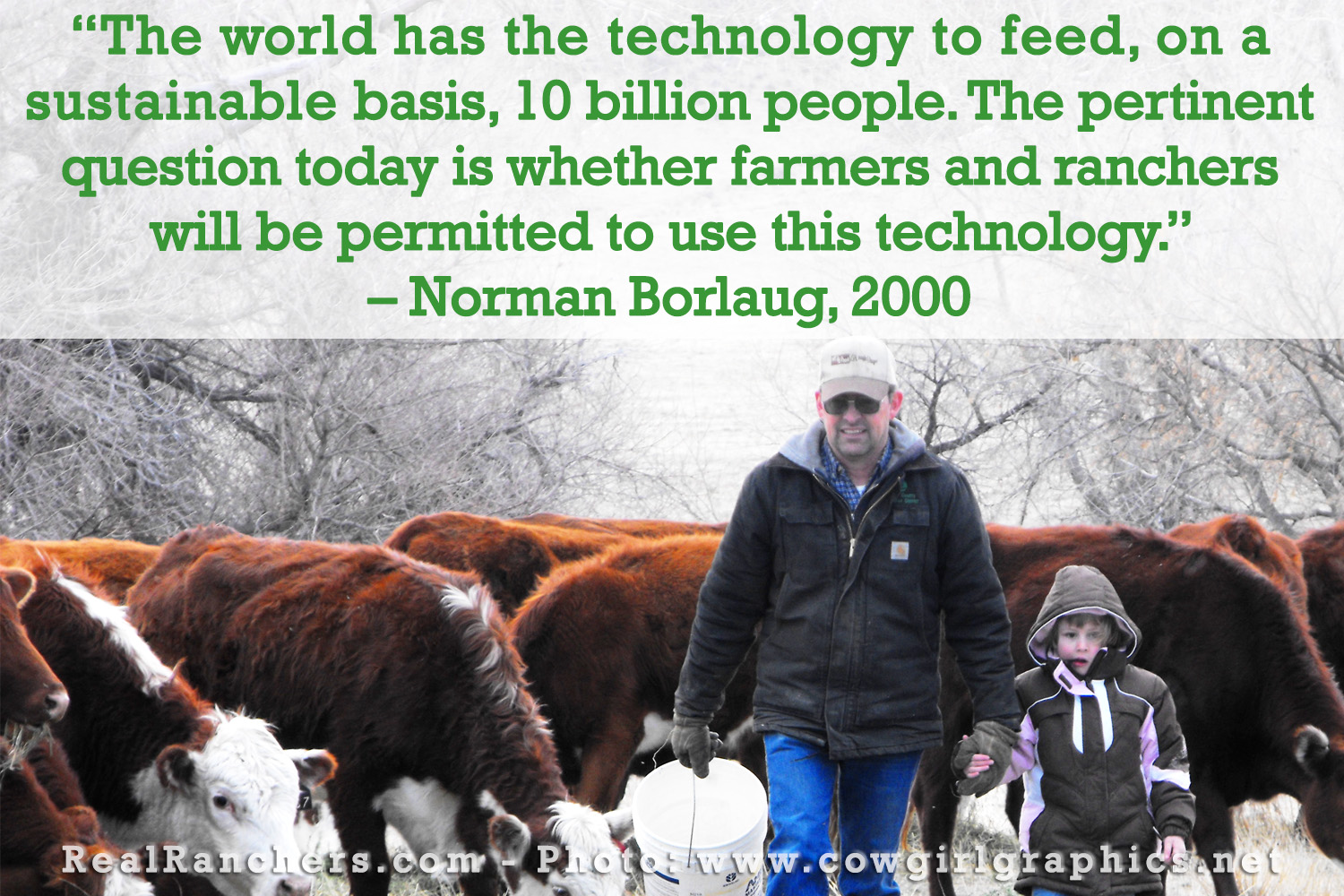
Norman Borlaug quote

“More food will need to be produced before the end of this century than that combined over the last 10,000 years.” – 2007 International Forum on Soils, Society and Global Change. To close the gap, the rate of production needs to increase from 1.4% each year to 1.75% each year.

  1. 80% of future production growth must come from increased yields with responsible use of innovation and technology
  2. 10-15% needs to come from increased cropping density
  3. 5-10% needs to come from expansion of land use

Increased production isn’t the only solution. There is a need for improved access, education, transportation and more. It will take a collaborative effort between producers, researchers, innovators, policy makers and consumers. It’s a big challenge, but I think American farmers and ranchers are up to the task!

Continue

Again, here’s the link to the Center for Food Integrity’s video. What do you think will be the key to feeding the growing world population?

From RealPartner Liz Lauck – Wyoming Stock Growers Association

The Farm Paparazzi

Armed with an automatic setting to expose a happy life full of God's grace

Facts About Beef

Debunking myths about beef

Beef Runner

Agriculture Advocacy, Beef and Running

Wyoming Lifestyle Magzine

a virtual visit to wyoming's rural communities

Wyoming Livestock Roundup

a virtual visit to wyoming's rural communities

Bridle-Bit LLC Blog

Horse & Rider Training. Serving The Northern Front Range Since 1981

Faces of Agriculture

a virtual visit to wyoming's rural communities

The 307 Chronicles

a virtual visit to wyoming's rural communities

Wyoming Roundup

a virtual visit to wyoming's rural communities

a virtual visit to wyoming's rural communities

Double H Photography

a virtual visit to wyoming's rural communities

Ladder Ranch

Scenes, thoughts and poetry from our working ranch

Comedy Of A Cowgirl

The Comedy of Storytelling

RealRanchers.com

a virtual visit to wyoming's rural communities