Ryler attends Laramie County Community College and plans to continue his education at the University of Wyoming the 2014 spring semester. He is a pursing a Bachelor of Science in Ag Business.
“This week has some good points and some not so good points (as do all weeks in this business I suppose). We got some wheat cut out finally! It was fun to get in the field and harvest the crop that has been expected for ten months now. The not so good news is we got a lot of showers mid way through the week mixed with a little hail so consequently we haven’t been back to the field since.
I am interning with my uncle, but my family has farming roots in this part of Wyoming for over 100 years. In order to work with the land for this long, farmers and ranchers have to be responsible land stewards. I’ll try to get some pictures of conservation projects we have taken on in the past year that explain some of our conservation efforts.”
Note: With the new intern program that has started this summer we have a “stock pile” of intern stories and will post every Tuesday and Thursday with a new story of the interns experiences. While these stories aren’t from the current week, they are from this summer. With all the interns and stories we have there will be posts going into the fall! So stay tuned for more!!
Billy has completed an Associate of Ag Business degree from Central Wyoming College and is interested in a career in ag business. Billy served in the United States Marine Corps oversees in Operation Enduring Freedom.
“This photo shows where the fence ends below Tunnel Hill at the edge of a cliff. This is the beautiful country we get to work in.”
“This photo shows some of the lower country in Red Canyon and the grass meadows that we maintain during our internship.”
“This photo shows another common task of the ranch, pushing cattle. It also illustrates the opportunity to observe wildlife while riding horseback. This ram follows the herd!”
We have a total of four interns writing us this summer about their experiences on each operation who mentors them. As each operation is unique in how it runs, our interns will give us a rare view into the daily and weekly happenings.
Take a look below for another post from Ryler Lerwick who is working at Lerwick Hay Company!
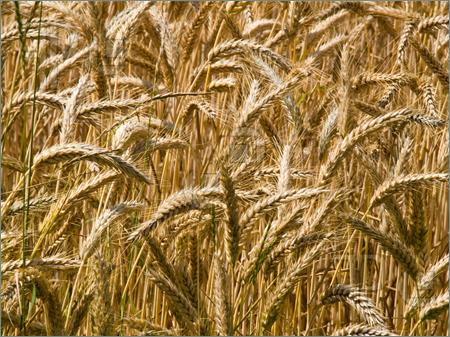
“We have been mostly putting the finishing touches on the equipment that will be used for harvest this week. The wheat is beginning to look ripe and we are all anxious to get in the field! My priority will be keeping straw baled behind the combines but will probably end up running the combine some as well.”
Ryler sports John Deere proudly as he works for the Lerwick Hay Company
Ryler attends Laramie County Community College and plans to continue his education at the University of Wyoming the 2014 spring semester. He is a pursing a Bachelor of Science in Ag Business.
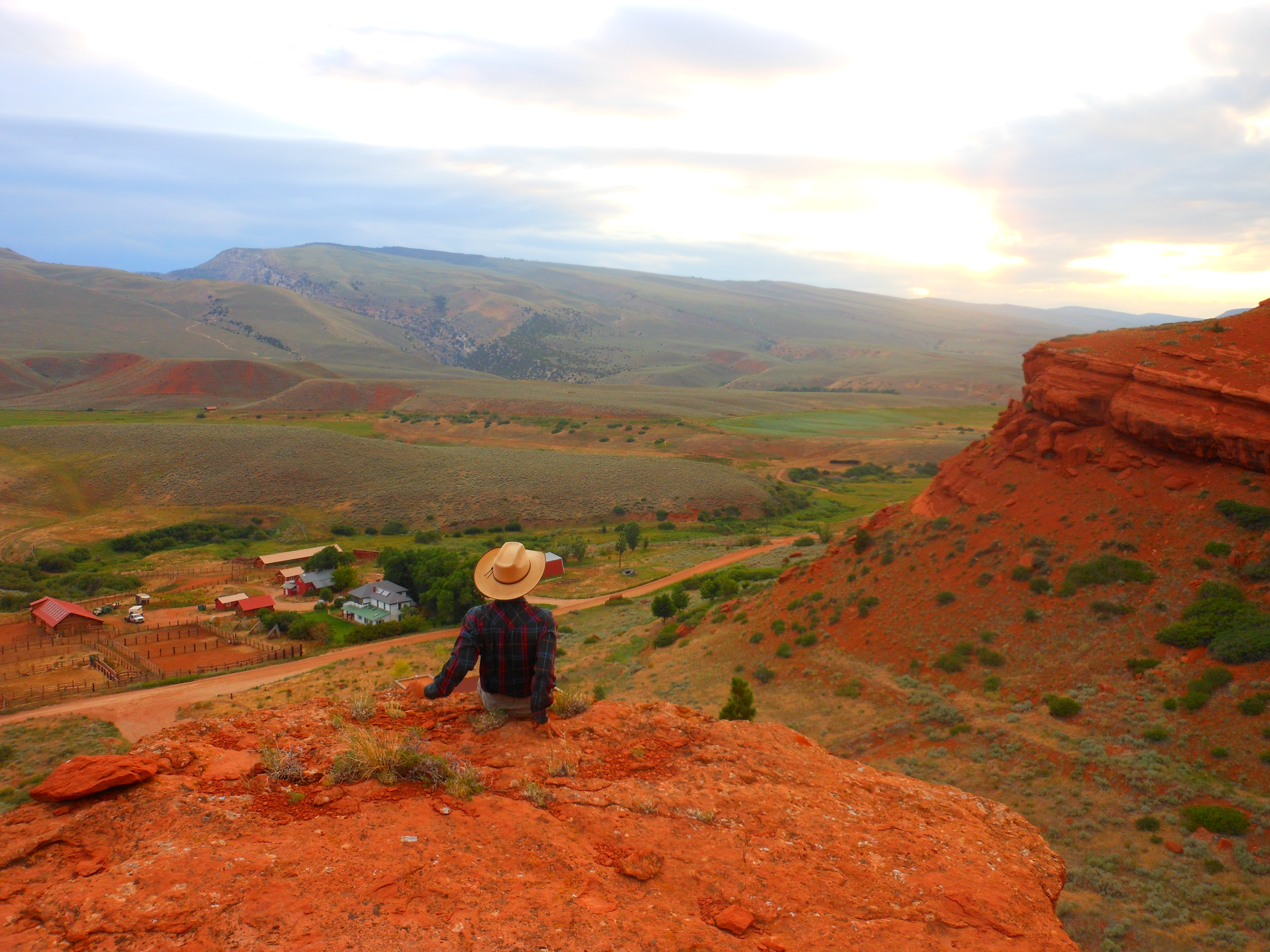
Kody looks over the Red Canyon Ranch during his internship.
Intern: Kody Coxen
Ranch: Red Canyon Ranch
Kody attends Oregon State University and is pursuing a Bachelor of Science in Rangeland Management and Ecology, with minors in Soils and Fish and Wildlife.
“From this picture you can see that Red Canyon Ranch is not only a great place to work, it is a great place to live as well.”
Ryler attends Laramie County Community College and plans to continue his education at the University of Wyoming the 2014 spring semester. He is a pursing a Bachelor of Science in Ag Business.
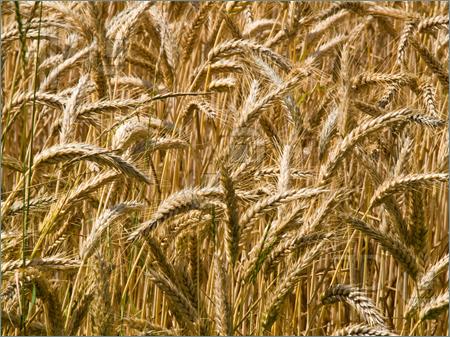
“We are preparing for wheat harvest in the southeast corner of Wyoming. Last year drought and hail ruined most of the crops which led to lots of wheat being drilled last fall. Stands are good everywhere and there should be abundant ground cover following the harvest. One land conservation project Lerwick Hay Company implemented last year was filling in washouts throughout the fields. This “terrace” effect has and will continue to reduce water erosion. There are a few big washouts in the home pasture that will be filled this fall and seed with grass.”
Once again coal was the topic de jour. But in a wonderful change of pace, it was coal’s merits finally being highlighted. Tuesday’s focus in the House Natural Resources Committee, of which I’m a member, was Powder River Basin Coal, how it benefits the state of Wyoming and the hurdles it faces in the future.
I was happy to welcome Chairman of the Campbell County Commissioners Dan Coolidge, to the committee who shared the many benefits Campbell County residents and citizens nationwide gained from a healthy coal industry. The hearing was also helpful in debunking the trumped-up Inspector General (IG) report about coal leasing. Tax payers are getting a fair return on coal, a fact the IG affirmed.
Coal is essential to our country. It is the key to affordable and safe electricity for millions of citizens across this nation. It is the reason we don’t have to second guess charging our phones and our milk stays fresh. We all benefit from coal, none more evident than residents in Wyoming. I’m so glad my colleagues had the opportunity to hear the benefits of this mineral, so they have the chance to make better, more informed decisions.
If you have any more questions or comments on coal or this week’s hearing, don’t hesitate to let me know. I look forward to hearing from you soon!
Sincerely,
U.S. Representative Cynthia Lummis
For complete page view and to watch that week’s Cattle Call follow the link provided below.
Additional information about the focusing efforts on the Powder River Basin Coal mine follow the link below. “House Natural Resources Committee holds hearing on the benefits and challenges of mining Wyoming’s vast coal resource.”
If you are in agriculture, it isn’t any surprise when we are told that the decline in this industry is due to children leaving the operation. In some regards not shocking, but when an operation has met the point of succession and moving forward what do you do? Luckily, the life of agriculture is far from over, if not just really beginning. With statistical reports showing that our world population will grow to over 11 billion, yes billion, by the end of the century this lets the folks in agriculture know that there is job security, but at a price. What is this price? Well stay tuned and I’ll let you know.
Before the meeting started, interested youth introduced themselves to the group.
Several weeks ago I had the pleasure of meeting young agricultural producers from southeast Wyoming in Wheatland, Wyoming for a Farm Bureau Federation Young Farmers & Ranchers informational meeting. This program, separate from Farm Bureau Insurance, helps young producers ages 18-35 to become an overall better advocate for agriculture. The Farm Bureau Federation is a grass-roots organization that has been around for 90 years creating changes locally and nationally. Any member who wants to make their voice heard can do so, even at the national level face-to-face with political leaders.
Wyoming Farm Bureau Federation Young Farmers and Ranchers Committee Vice Chair, Heather Hamilton, spoke directly about her experience with the federation. Her initial thoughts about the federation have been surpassed greatly and she told us how happy she is that she got into the program.
Heather Hamilton speaks to the group about her positive experiences through the Young Farmer & Ranchers.
” I’ve always believed strongly in what the Wyoming Farm Bureau Federation(WyFB) does on behalf of our states agriculture industry, but was uncertain I had the time to be directly involved. When Kerin Clark asked me about running for the committee two years ago, I initially hesitated. At the time I was ranching fulltime in addition to working as a freelance agriculture journalist and photographer, and my plate was very full without adding a board position to the mix. But, she eventually convinced me to run, and I am so glad I did as my involvement has been the most rewarding of any organization I’ve been involved in.”
Not very many opportunities present themselves as the perfect way to tell the story of agriculture, but the Young Farmers & Ranchers program creates a change that starts at the grass-roots level from people such as you and I. Members can implement policies at the county level, and if passed, move up the line to regional, state, and eventually national if it is agreed upon by a whole. There are several components that the federation offers to insure its members are prepared and educated to reach a large percentage of the population who is unfamiliar with agriculture.
1. Legislature at the county, state and national levels
2. Educational conferences that bring a variety of speakers that are worth leaving the farm or ranch for!
3. Competitive events ranging from a Discussion Meet to a Young Farmers and Ranchers Meet. Competitors, in groups of four, can choose a topic from five and give about a thirty minute discussion about the chosen topic.
4. Leadership development by strengthening communications, relations, understanding and networking at all levels (County, State and National).
5. Networking with agricultural producers “your age.” Has shown an increase in young, viable people moving back to the operations.
6. Joining a committee to not only improve yourself but the lives of others through community service and donating your time to legislative acts and children as you read and educate them in the classroom.
Several interested individuals take notes during the meeting.
Heather also spoke to the group about joining committees that will give you a chance to not only better yourself, but also create a stronger voice for agriculture.
“The Young Farmer and Rancher Committee provides a hands-on opportunity to educate people about agriculture, expand your own personal knowledge of our industry and the issues facing it, and play an active role in working toward what is right for agriculture on the political front, all without having to restructure your entire schedule. It does take time, as any worthwhile endeavor does, but since everyone on the committee works in the agriculture industry, there is a common thread of understanding when it comes to operational responsibilities and board responsibilities.
Initially I wasn’t sure what to expect as a committee member. Every organization and board has virtually the same pamphlet stating why they should be your first choice when it comes to agriculture involvement and making a difference. But, I quickly realized that the YF&R Committee surpassed everything I had read. During my two years on the committee I have read to
close to 1,000 Wyoming elementary school students through the committee’s Ag Books for Kids Program. I’ve told them about my lifestyle, read to them about beef production and seed growth, answered their questions and returned the next year
to have them remember me and what I taught them the year before. I’ve had the opportunity to travel to Washington D.C. and meet top American Farm Bureau Federation (AFBF) lobbyists, then lobby as a producer on the hill and in various departments. I’ve also traveled across the U.S. for multiple national YF&R meetings and contests and have met producers from all over our country, learned about their operations and broadened my scope of understanding on numerous agriculture issues. I’ve lobbied at the state level, volunteered time toward feeding the less fortunate, judged coloring contests and made
wonderful friends.
Perhaps most importantly is that I’ve had a lot of fun while fighting to preserve and protect my way of life. I believe education has to be an active part of our occupation as farmers and ranchers today, but that the education time commitment cannot overshadow physically making a living. The YF&R program has provided me the perfect opportunity to contribute to Farm Bureau’s voice, which is the largest voice for farming and ranching in the country, in ways I enjoy and that fit within my schedule. It’s a rare opportunity to find that fit, and I am so grateful I have had the chance to do so.”
What is the cost? Well, to be frank, it isn’t “your Grandma’s Ag!” New changes are always coming in and the youth, ages 18-35, can be the voice to promote agriculture with an educational base that will create the largest and strongest voice. All the components listed above are ways to make young agriculturalists the best they can be as well as making sure our voice is heard. It is a comforting fact to know that you can live miles away from your local small town and still make a difference in state and national issues, but with this comes the price of being educated and willing to take the initiative to join and create that voice that will be heard.
For more information please contact Karin Clark through the Wyoming Farm Bureau Federation Young Farmers & Ranchers through the contact information below.
For those of you who I haven’t had a chance to meet yet, my name is Haley Lockwood and I am the new Communication & Publications Director for the Wyoming Stock Growers Association and Administrator for Real Ranchers. Fresh out of college with an Agricultural Communications degree, I headed to Cheyenne for a career in the agricultural industry. I am ecstatic to hold this position. Throughout my college career, I spent most of my time in various groups and organizations that promote this industry, our livelihoods, and to educate a growing number of people who are still unfamiliar with a range of agricultural practices. As a child, it didn’t take long before I knew what industry I wanted to be in for the rest of my life and I’m happy to still be following that dream.
I grew up on a cattle ranch in God’s Country, also known as Sublette County, Wyoming on a cow-calf operation. The ranching lifestyle made me extremely self sufficient, responsible, tough, and truly happy to live off of the land. While my parents worked in town, I still spent every second I could either outside on horseback or at my grandparent’s ranch doing odds-and-ends for them around the ranch. Since I was about eight years old I rode on the historic Green River Drift, which is one of the longest cattle drives in the United States, from the high desert plains of southern Sublette County to the Upper Green River Valley until my sophomore year in college. For me, it is twenty days of heaven, riding and moving cattle for anyone who needed the help.
I left for the University of Wyoming in 2009 to run track and field for the Cowgirls and pursue an agricultural related major, but it wasn’t until my sophomore year that I declared Agricultural Communications. I was an active member of the UW Range Club, Food Science Club, Ranch Horse Team, and served as vice president for the Wyoming Collegiate Cattle Association. During this time I was an intern for the United States Department of Agriculture – Natural Resources Conservation Service as a Public Affairs Student intern in the summer of 2012 as well as a student intern for the Wyoming Experiment Station, which is housed at the University of Wyoming, in the spring of 2013. Being a student athlete and active in various student organizations led to a very busy schedule, but it was an experience that I would relive just to enjoy it again.
Between the two, I am lucky to have these experiences to better relate with our older and younger members on a personal basis. I do understand the trials, tribulations, happiness, and pride ranching brings, but also the heartache of leaving the ranch. Now that I am in the office, for a large percentage of my day, I feel a sense of sadness not riding this summer, but also pride for representing such a great association and group of people. I felt a lot of worry that I wouldn’t fit in, but soon found out after the 2013 Cattle Industry Convention and Trade Show that every single one of the members, staff, and officers are “my kind of people!”
I feel relieved to have these people, but also the chance that I can reach out to you all as well! I look forward to your stories and feedback. With each word typed I can only hope that I can change just one mind, for the better, about the agricultural industry and the livelihood that means so much to all of us.
Please contact me and I look forward to getting to know you all!
Wyoming is the Number One Energy Exporting State in America
Wyoming leads the nation in energy exports to the rest of the country and takes pride in its high standards for environmental stewardship. Today, Governor Matt Mead unveiled his Energy Strategy: “Leading the Charge: Wyoming’s Action Plan for Energy, Environment and Economy.” According to Governor Mead, Wyoming’s leadership role requires our state to continue to set the standard and, in the absence of a federal energy plan, Wyoming needs a strategy to address energy, the environment and the economy. The state’s strategy recognizes the interrelationship and importance of all three now and in the future.
Coal Train
“We produce 10.5 quadrillion BTUs of energy each year in Wyoming. These resources are vitally needed to fuel America’s economy. At the same time our treasures of nature are so important to all who live, work and find inspiration here,” Governor Mead said. “We cannot sit back and hope for the best. We need a strategy to strike the balance between energy development and environmental stewardship.”
Drilling rig #129 in the Jonah Field near Pinedale, operated by Encana Oil and Gas.
“Leading the Charge” is intended to be continually updated and establishes a framework to address issues in a forward looking way with the capability of adjusting to changing circumstances. Each of the strategy’s 47 initiatives are action items to be instigated this year. State agencies will carry out the initiatives and will make progress reports available to the public throughout the year.
Drilling rig control room
“This strategy is the beginning of a continuum. It is meant to be regularly revised, updated and integrated into budgeting and planning,” Governor Mead said. “This strategy was put together with the hard work of people from across the state and from diverse backgrounds, including industry, environmental groups and agriculture. I thank them all and look forward to working together on future initiatives.”
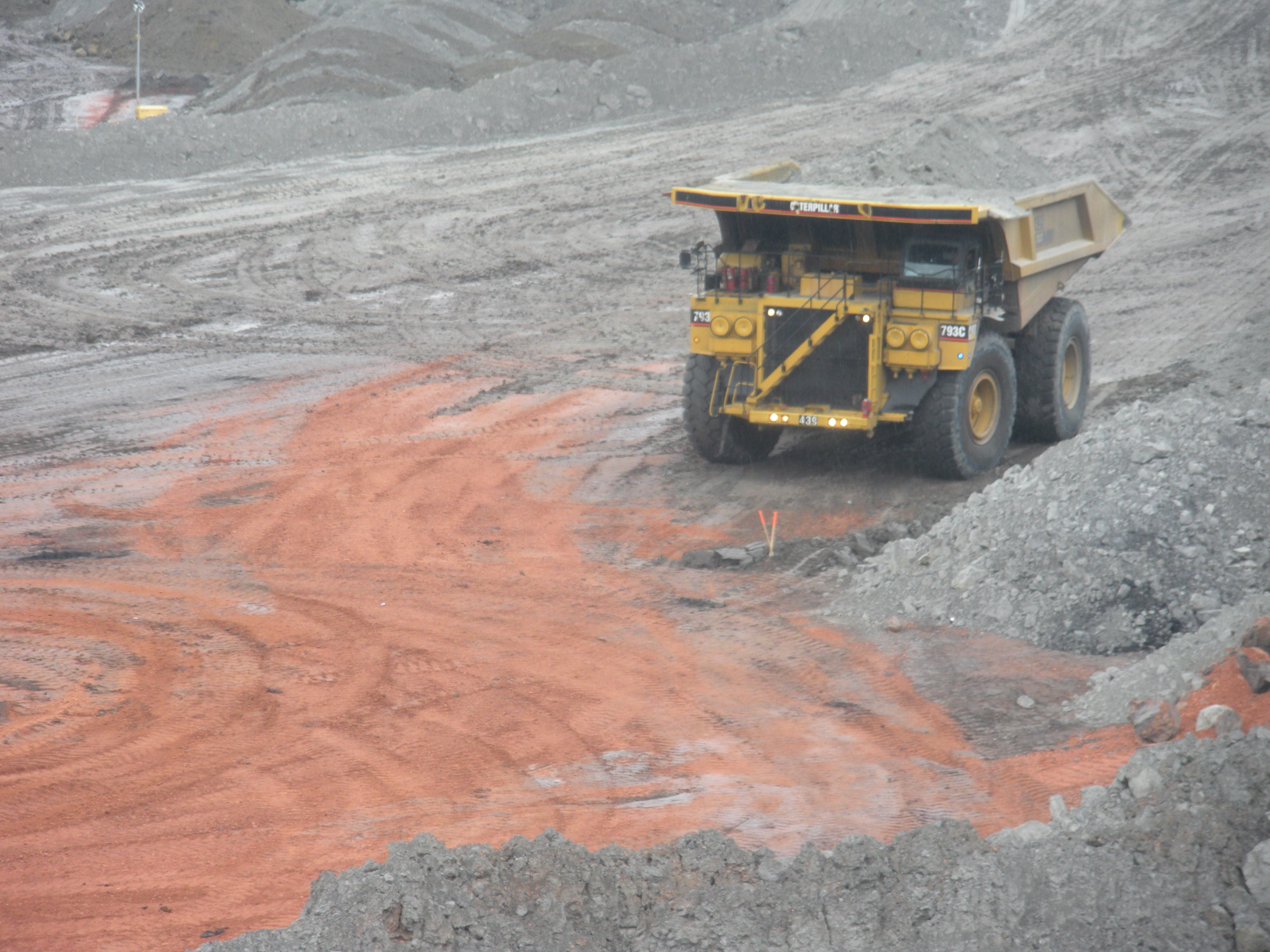
Coal Mine
“Leading the Charge” is divided into four main themes:
Economic Competitiveness, Expansion and Diversification
Efficient, Effective Regulation Theme
Natural Resource Conservation, Reclamation and Mitigation
Education, Innovation and New Technologies
Each theme contains initiatives and each initiative requires concrete actions and results.
The Jonah Oil & Gas Field in Sublette County Wyoming
“I look forward to working with legislators, local officials and the public on executing this year’s initiatives, refining our process and making this an even more useful tool next year,” Governor Mead said. “Leading the Charge” is available online at www.energy.wyo.gov and Governor Mead will provide updates to the public throughout the year.








 RealRanchers.com