Governor Matt Mead met with several key leaders from industry and government during his trade mission to South Korea and Taiwan. Governor Mead has just returned from those visits. Both South Korea and Taiwan have potential to expand benefits to Wyoming’s top three industries, energy, tourism and agriculture. Governor Mead focused on those three areas during stops in both countries.
“South Korea and Taiwan will increase imports of coal, natural gas and uranium in the coming years. As a leading producer of those energy sources, Wyoming must continue to develop relationships with both these countries and others as well. Countries that need our energy are valuable partners in any effort to export coal, natural gas or uranium,” Governor Mead said.
The Governor met with executives from utilities, power producing companies, trade groups, a large bank, Taiwan’s largest importer of American beef and government officials during the trade mission. In South Korea, Governor Mead also spoke at the World Energy Congress, which takes place every three years.
“I was well received because Wyoming has a global reputation for its abundant resources and for developing these resources responsibly.”
Governor Mead with President Ma Ying-jeou
Governor Mead met with the President of Taiwan, Ma Ying-jeou. President Ma noted that Wyoming is a significant trading partner for his country. “In 2012 Wyoming had one of the highest rates of growth in exports. My visit with the President of Taiwan reinforced to me that growing our economy is not an effort that comes from a single trip. This needs to be a widespread push and long-term commitment. I appreciate that the Legislature supports expanding exports,” Governor Mead said.
In Taiwan, Governor Mead also attended the country’s largest travel trade show. The United States now allows Taiwanese tourists and business men and women to visit the country without a visa.
“Wyoming contains world-famous destinations and by promoting them we increase visitation and lengthen the time tourists spend in our state. I believe we will see more tourists from Asia coming to the U.S. and now to Wyoming. Additionally, having taken the time and made the effort to visit, it will be easier for us to do business with South Korean and Taiwanese companies. I am excited about the possibilities that may result from this trade mission,” Governor Mead said
As your Association, we urge you to help by donating to those in need through these funds already in place.
South Dakota Cattlemen’s Association, South Dakota Stockgrowers Association and South Dakota Sheep Growers Association established the South Dakota Rancher Relief Fund Oct. 8, 2013 with the Black Hills Area Community Foundation to provide support and relief assistance to those in the agriculture industry impacted by the blizzard of Oct. 4-7, 2013.
The fund will be administered by the South Dakota Stockgrowers Association, the South Dakota Cattlemen’s Association and the South Dakota Sheep Growers Association for the direct benefit of the livestock producers impacted by this devastating blizzard.
If you are interested in donating to Nebraska relief efforts look below for more information.
To Donate: Nebraska
For the Nebraska folks, you can donate to the Cattlemen Relief Fund at the Chadron Community Foundation. Address: PO Box 1125, Chadron, NE 69337.
While various Wyoming producers have experienced cattle loss due to the blizzard Atlas it is clear the vast majority of cattle losses have occurred in South Dakota and Nebraska. WSGA trusts the Rancher Relief Fund, the Cattlemen Relief Fund and the organizations associated and believe it will help all producers involved
Note: This article is written by Haley Lockwood, Communication & Publications Director. Take a look through her eyes as she moves cattle on a 117 year old cattle drive.
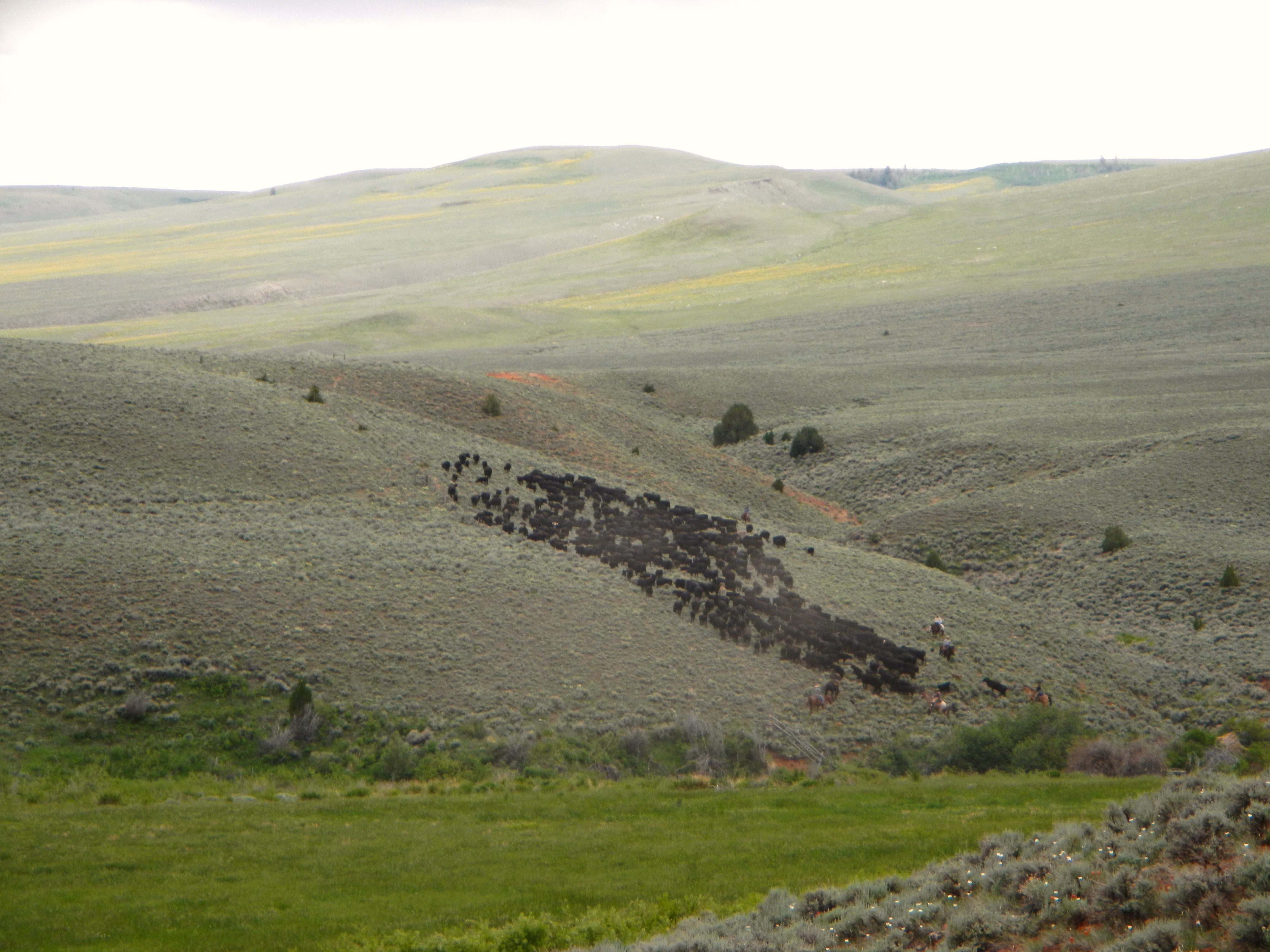
The historic Green River Drift started in 1896 with over a century of heritage and legacy packed into the almost 70 mile cattle drive where ranchers, much like my Great Grand Father, Grandpa, neighbors and our family, have used the Drift to move cattle from range allotments. Starting in southern Sublette County by Yellow Point and the Jonah Gas Fields up to the Bridger-Teton National Forest in the Upper Green. A vast change of scenery comprises this drive, and it is one whose history is deeply rooted into Sublette County.
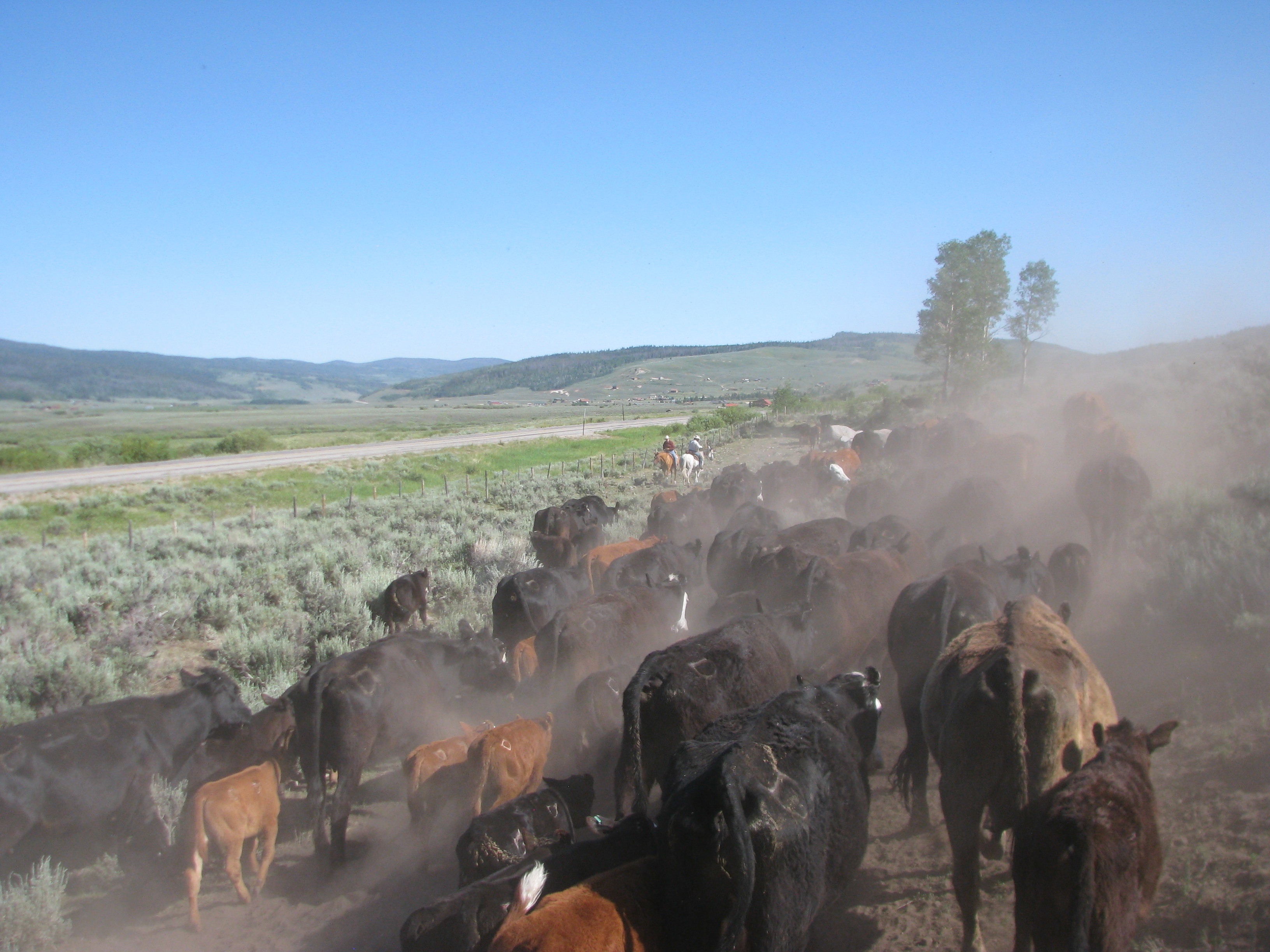
We moved cow/calf pairs, some yearlings and bulls on a beautiful July day.
Cattle drives are usually only thought of when you think of movies like “Lonesome Dove”, right? Well, we are still driving our cattle, maybe with less action than the movies, but our impact is still huge. Families from the northern part of the Drift located in the Pinedale/Cora area clear down to Big Piney gather to help neighboring ranches as they move to summer allotments. These people are committed to heritage, their livelihood, agriculture and their neighbor where, at any point, someone will come to lend a helping hand.
We let the cows rest a bit to get the calves back with the cows before we pushed on.
I wanted to share with you a section of an online article written several years ago and photos from this summer as we moved our cattle to summer allotments.
“Twice a year, in the spring and the fall, cattle move to and from area ranches to range allotments on the Bridger-Teton National Forest in the Upper Green. Portions of the Drift through private property are fenced along leased right of way corridors and other areas on federal land are open range. In the spring, ranchers push the cattle up to the forest allotments. In the fall, the cooling change in the weather and snow cause the cattle to move down out of the mountains on their own and follow the fence line down to the sorting grounds by Trappers Point. Years ago, as many as 22 ranches were involved in the cattle association and participated in the Drift. Although still in use today, the tightening regulations and economics of ranching has reduced the number of participating ranches to ten. Some of the ranchers have dropped out because of increasing loss of cattle on the forest allotments by bears and wolf depredations.”
We start very early in the morning and here, we were almost halfway done and the sun is still trying to peak out over the aspens.
“Local rancher/teacher/historian, Jonita Sommers, has been instrumental in pursuing the nomination for the Drift for the past several years. Her family has been involved with the Drift since its beginning. Sommers wrote a book, “The Green River Drift,” about this unique part of ranching in the Upper Green River Valley. The book, now out of print, is only available on the used market and sells for hundreds of dollars. Sommers said that the Drift existed long before the BLM and Forest Service federal agencies that now permit and regulate the grazing process on federal public land. Through the 100+ year history of the Drift, the cattle association has worked with all the various managing agencies that have come along and adjusted their operations to be in compliance with the new regulations that have been put in place affecting their operations. The Drift is also a tourist attraction as local dude ranches for years have brought their guests along to help ride along on the cattle drives. Some guests come out year after year, from as far away as Germany, for a chance to participate in the two-week cattle drives, brandings, and get the experience of life on a real Wyoming working cattle ranch.” – Green River Drift nomination to the National Register moves forward by Dawn Ballou, Pinedale Online!
Neighbors from near and far came to our aid after the loss of my Uncle Marty who ran our family ranch.
This year we had a large turnout for help as my Uncle had passed away halfway through taking the cattle to the mountains. It was a humbling experience to realize the importance first hand of ranch succession planning and being in a “bind” not knowing exactly what to do. Luckily, neighbors from near and far came to our aid. While my parents and sister planned the funeral, I took the chance to saddle up and ride. Cathartic and necessary.
Looking through the pairs for “sickies” (cattle that need doctoring) and enjoying a ride.
This cattle drive, “The Drift”, isn’t just historical, but necessary to our existence as ranchers and advocates for agriculture. We are traditional in a world of expanding technology, but luckily for us, technology cannot take this over. It can advocate for it though, which is why I shared with you my heritage, my love, my passion, and Sublette Counties historic “Green River Drift.”
Right before this photo was taken, I bailed off my uncle’s palomino “Andy” to grab a calf by the back leg before he crawled through the fence. Mack McCormick came to my aid as I scrambled with the calf and we shared a good laugh at my reaction.Sprout Wardell, and his family, has been our neighbor for many years and has been more than willing to lend a helping hand to us.
Ryler attends Laramie County Community College and plans to continue his education at the University of Wyoming the 2014 spring semester. He is a pursing a Bachelor of Science in Ag Business.
This week things really began to pick up! Finished all the harvesting this Saturday and have put about three thousand straw bales through the baler! Lots of fun for me and a big 95 total hours! This was the week I had been waiting all summer for… now bring on more good moisture!
….more from Ryler, so stay tuned!
This week we finished up the straw baling on Monday and began swathing some grass (CRP) hay. This year Laramie county was assessed early on as an “emergency” year due to dry conditions so we had the opportunity to hay some acreage. We set up the combine to swath with (doesn’t run the harvester part) so we put two 30 foot windrows together and are more efficient with our trips over the field with the rake and baler by taking in 60 foot at a time! Haying is a lot of fun for me.
Ranch: The Nature Conservancy—Heart Mountain Ranch Preserve
Bessie is taking pre-veterinarian classes at Northwest College. She was born in Sweden, moved to Zambia when she was 5, and then back to Sweden with she was 16. She chose Wyoming because she was interested in the abundant nature and affordable education opportunities.
Heart Mountain Ranch
Week 3
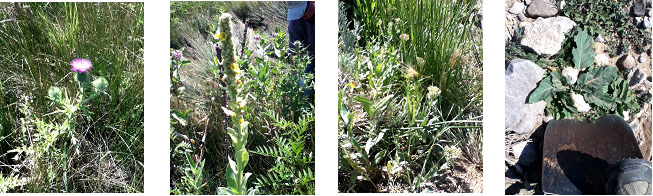
This week we worked more with invasive species. I learnt about how it helps to know more about the plants than just the fact that they are either poisonous or grow too wildly. Some plants for example bull thistle are biennial. If we cut off the seeds then we don’t have to worry about it growing out more cause it only does that every other year. They were the worst weeds to pick cause they were prickly. Along with the bull thistle we picked Mullein, White tops and another poisonous plant called Hen bane.
Bull Thistle Mullein White Tops Hen Bane
Flies can be a bother but not as much as they bother the cows. I got to watch as they sprayed the cows with disinfectant. It takes a while but makes the cows so much happier. Towards the end of the week I finally hiked up to the top of Heart Mountain and on the way we cut down trees that were in the way of the trail, picked up trash, in short we cleared the trail as we hiked up. The week ended after I watched one the herd owners injected some of the cows with antibiotics, Oxytetracycline to be specific. Most hoofed animals like sheep, goats and cows tend to get a bacterial disease in their feet called Foot rot. It slowly rots the foot and therefore causes them to limp. With all of what I learnt I can’t say more than that It has been a fun week and I can’t wait for the next one.
Billy has completed an Associate of Ag Business degree from Central Wyoming College and is interested in a career in ag business. Billy served in the United States Marine Corps oversees in Operation Enduring Freedom.
Six riders push the Nature Conservancy’s cattle out of the pasture between Cherry Creek Canyon and Little Popo Agie Canyon to Barret slope pasture.
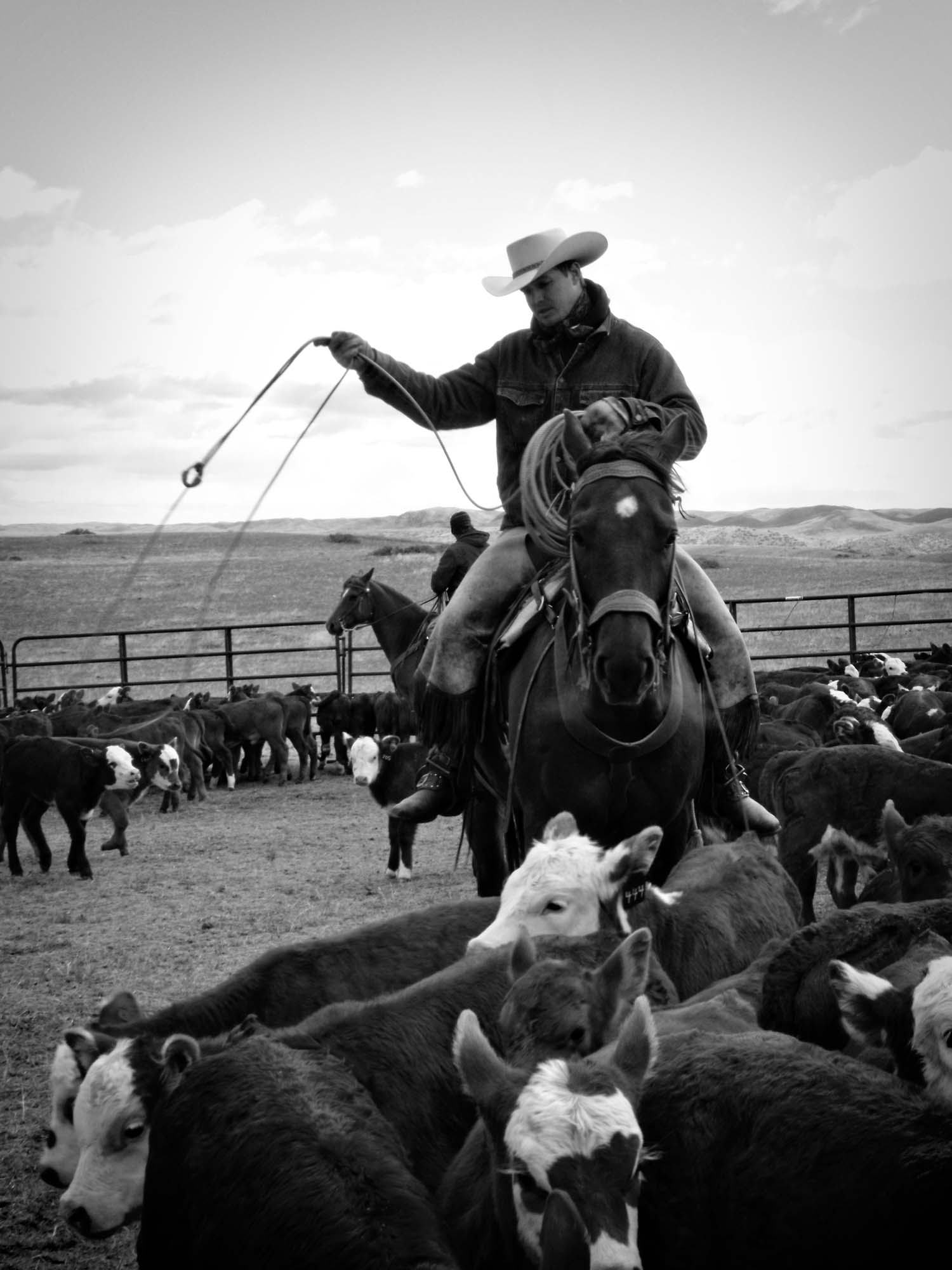
Here Cody sits atop Tipi as we just finished pushing cattle into Cherry Creek Pasture out of the Barret Slope Pasture. A lot of the land behind Cody is future pasture and was traversed a lot by me and Cody.
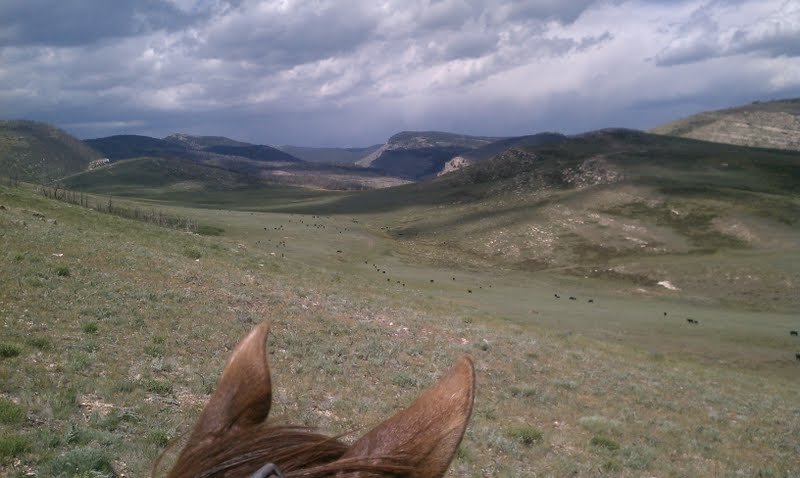
Here you can be seen some more of the large amounts of territory to be covered while looking for cattle atop the ridge the runs between Cherry Creek Canyon and Little Popo Agie Canyon.
The Western Energy Alliance has been working with ranchers across the state of Wyoming for years to successfully and safely obtain our natural resources. Below is a statement from their website about where they find Common Ground with a wide array of groups, conditions, and resources.
There’s Common Ground we share in developing our energy resources safely. Western oil and natural gas companies work hard to protect the environment while safely developing abundant, affordable energy. Besides complying with hundreds of local, state, and federal regulations, companies go above and beyond what’s required by law to ensure the land, air, water, and wildlife are protected. Learn more by watching our Common Ground video series.
Ryler attends Laramie County Community College and plans to continue his education at the University of Wyoming the 2014 spring semester. He is a pursing a Bachelor of Science in Ag Business.
Week four we were busting it when we could to harvest wheat in between showers… usually would get a couple of hours a day in of cutting before being rained out. We got some wheat cut though and look forward to a good next week. The rain is good for the pastures and some millet hay that we have planted! Nothing real new with this week though… more next week!
Recent rain storms have caused issues during harvesting of various crops and hay. Stock photo
Ranch: The Nature Conservancy—Heart Mountain Ranch Preserve
Bessie is taking pre-veterinarian classes at Northwest College. She was born in Sweden, moved to Zambia when she was 5, and then back to Sweden with she was 16. She chose Wyoming because she was interested in the abundant nature and affordable education opportunities.
Heart Mountain Ranch
Week 3
This week we worked more with invasive species. I learned about how it helps to know more about the plants than just the fact that they are either poisonous or grow too wildly. Some plants for example bull thistle are biennial. If we cut off the seeds then we don’t have to worry about it growing out more cause it only does that every other year. They were the worst weeds to pick cause they were prickly. Along with the bull thistle we picked Mullein, White tops and another poisonous plant called Hen bane.
Flies can be a bother but not as much as they bother the cows. I got to watch as they sprayed the cows with disinfectant. It takes a while but makes the cows so much happier. Towards the end of the week I finally hiked up to the top of Heart Mountain and on the way we cut down trees that were in the way of the trail, picked up trash, in short we cleared the trail as we hiked up. The week ended after I watched one the herd owners injected some of the cows with antibiotics, Oxytetracycline to be specific. Most hoofed animals like sheep, goats and cows tend to get a bacterial disease in their feet called Foot rot. It slowly rots the foot and therefore causes them to limp. With all of what I learnt I can’t say more than that It has been a fun week and I can’t wait for the next one.
Intern: Bessie Gondwe Ranch: The Nature Conservancy—Heart Mountain Ranch Preserve
Bessie is taking pre-veterinarian classes at Northwest College. She was born in Sweden, moved to Zambia when she was 5, and then back to Sweden with she was 16. She chose Wyoming because she was interested in the abundant nature and affordable education opportunities.
WEEK 1and 2
“The first day was mainly a tour of the ranch and a short explanation to what I will be working with. I got to see how the irrigation system works and I learnt about the two herds of cattle that are being taken care of at the moment. It wasn’t long before we had to get to work, I helped with the fencing project the first two days which was already in progress. We were removing the barbed wired fences because it has caused injury to some of the Elks, Deer and Antelopes that have travelled through the Heart Mountain ranch. Instead of barbed wire they are trying to replace it with fibre wires. Fibre wires are more flexible and can therefore create a good stretch making it easy for animals to go through especially the younger ones. The fibre wires also work as an electric fence to keep the cattle within their grazing areas. I learnt that Elk for example have fur that protect them more from the electric shock compared to cattle, and so they will ignore it whereas cows will learn not to trespass. Fencing is one of the main things that I worked with because the cows tend to destroy them every now and then. In some situations calves would fall into the canal and get separated from the herd of cattle. I was proud to lead them around the hill and successfully reunited one of the calves with it’s “mom”. I practiced moving the other group of cattle into new grazing land by whistling. There is a grazing rotation done so that the grass has time to grow back out, to be watered and grazed on.
Apart from that I have worked with invasive species. Hounds Tongue is poisonous to cattle and horses so we once went out to remove them from the grazing land. I also got to work with Eric Atkinson when he came over to do bird banding. We put up nests and caught birds. The birds were then measured and weighed and banded for registration. That way the main bird banding centers can keep track of the birds.
One thing I didn’t know about where the wilds horses that Wyoming has and I got privileged to drive out to see them. There is a lot to learn but that one day told be enough about how they live out in the wild. I look forward to sending you more information about what I have been doing.”










 RealRanchers.com